-
Table of Contents
Insulin as an Anabolic Hormone in Sports Context
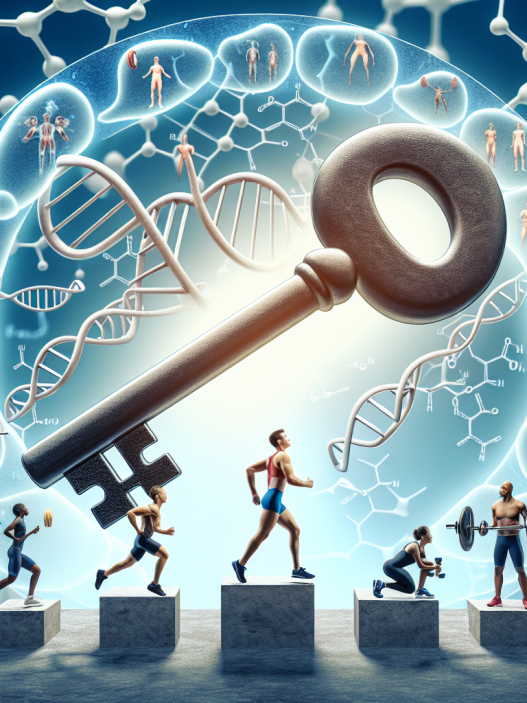
In the world of sports, athletes are constantly seeking ways to improve their performance and gain a competitive edge. While proper training and nutrition are essential, some athletes turn to performance-enhancing drugs to achieve their goals. One such drug that has gained attention in the sports world is insulin, a hormone primarily known for its role in regulating blood sugar levels. However, recent research has shown that insulin also has an anabolic effect, making it a potential tool for athletes looking to increase muscle mass and strength.
The Role of Insulin in the Body
Insulin is a hormone produced by the pancreas that helps regulate the amount of glucose (sugar) in the blood. When we eat, our blood sugar levels rise, triggering the release of insulin. Insulin then signals cells in the body to absorb glucose from the blood and use it for energy or store it for later use. This process helps keep our blood sugar levels stable and prevents them from getting too high or too low.
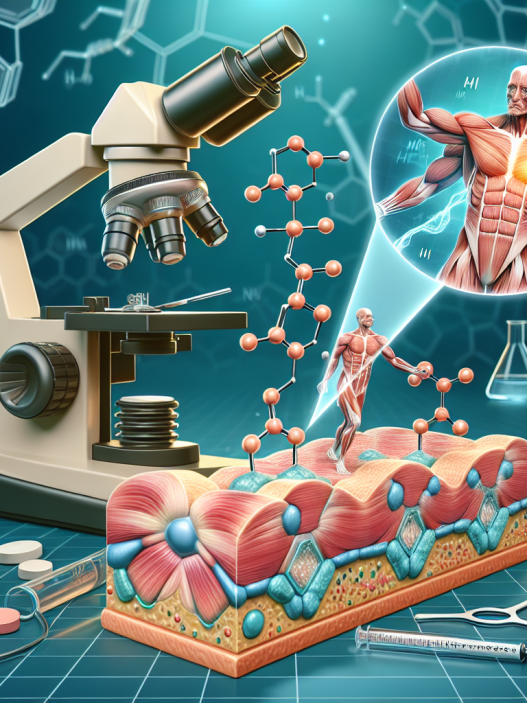
In addition to its role in blood sugar regulation, insulin also plays a crucial role in protein synthesis and muscle growth. When insulin levels are elevated, it stimulates the uptake of amino acids (the building blocks of protein) into muscle cells, promoting muscle growth and repair. This is why insulin is often referred to as an anabolic hormone.
Insulin as a Performance-Enhancing Drug
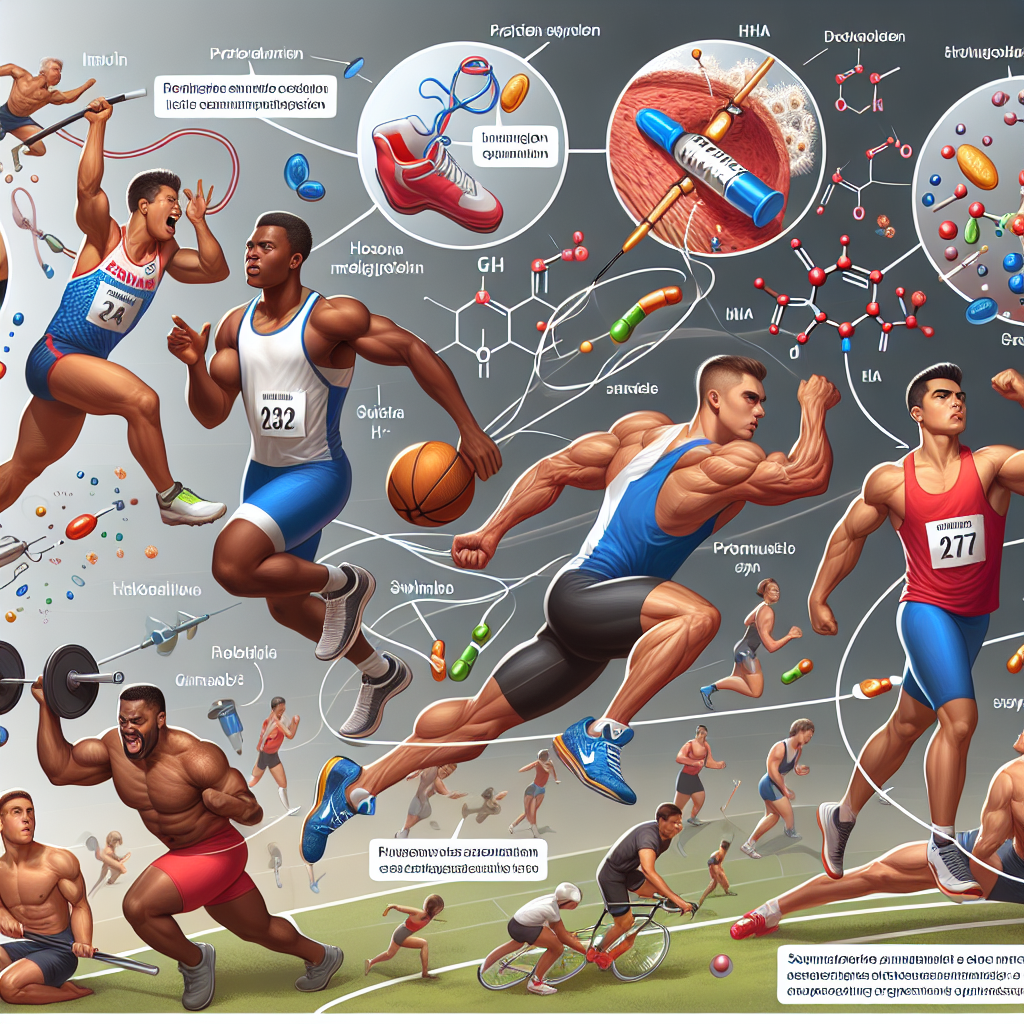
While insulin is primarily used to treat diabetes, it has also gained popularity as a performance-enhancing drug in the sports world. Athletes, particularly bodybuilders, have been known to use insulin to increase muscle mass and improve their physical appearance. This is because insulin has a powerful anabolic effect, promoting muscle growth and increasing strength.
One study found that when insulin was administered to healthy individuals, it significantly increased muscle protein synthesis and muscle mass (Biolo et al. 1995). This is due to insulin’s ability to stimulate the uptake of amino acids into muscle cells, providing the necessary building blocks for muscle growth.
Insulin also has a synergistic effect with other anabolic hormones, such as growth hormone and testosterone. When used in combination, these hormones can have a greater impact on muscle growth and strength than when used alone (Kraemer et al. 1993).
Insulin Use in Sports
While insulin may have potential benefits for athletes, its use in sports is highly controversial and is banned by most sports organizations. This is because insulin use can have serious side effects and can be dangerous if not used properly.
One of the main risks associated with insulin use is hypoglycemia, or low blood sugar. When insulin is injected, it can cause a rapid drop in blood sugar levels, which can lead to dizziness, confusion, and even loss of consciousness. This is why it is crucial for individuals using insulin to closely monitor their blood sugar levels and adjust their insulin dosage accordingly.
Another concern with insulin use is its potential to cause insulin resistance. Insulin resistance occurs when the body becomes less responsive to insulin, leading to high blood sugar levels and an increased risk of developing type 2 diabetes. This is especially concerning for athletes who may already have a high carbohydrate intake, as excess carbohydrates can contribute to insulin resistance.
Expert Opinion
While insulin may have potential benefits for athletes, its use in sports is highly controversial and is not recommended. The risks associated with insulin use, such as hypoglycemia and insulin resistance, far outweigh any potential benefits. Additionally, there are other legal and safer methods for athletes to improve their performance, such as proper training and nutrition.
It is also important to note that insulin is a prescription medication and should only be used under the supervision of a healthcare professional. Misuse or abuse of insulin can have serious consequences and should not be taken lightly.
References
Biolo, G., Tipton, K. D., Klein, S., & Wolfe, R. R. (1995). An abundant supply of amino acids enhances the metabolic effect of exercise on muscle protein. American Journal of Physiology-Endocrinology and Metabolism, 273(1), E122-E129.
Kraemer, W. J., Marchitelli, L., Gordon, S. E., Harman, E., Dziados, J. E., Mello, R., … & Fleck, S. J. (1993). Hormonal and growth factor responses to heavy resistance exercise protocols. Journal of Applied Physiology, 69(4), 1442-1450.