


-
Table of Contents
The Legal Status of Methyltestosterone in Europe
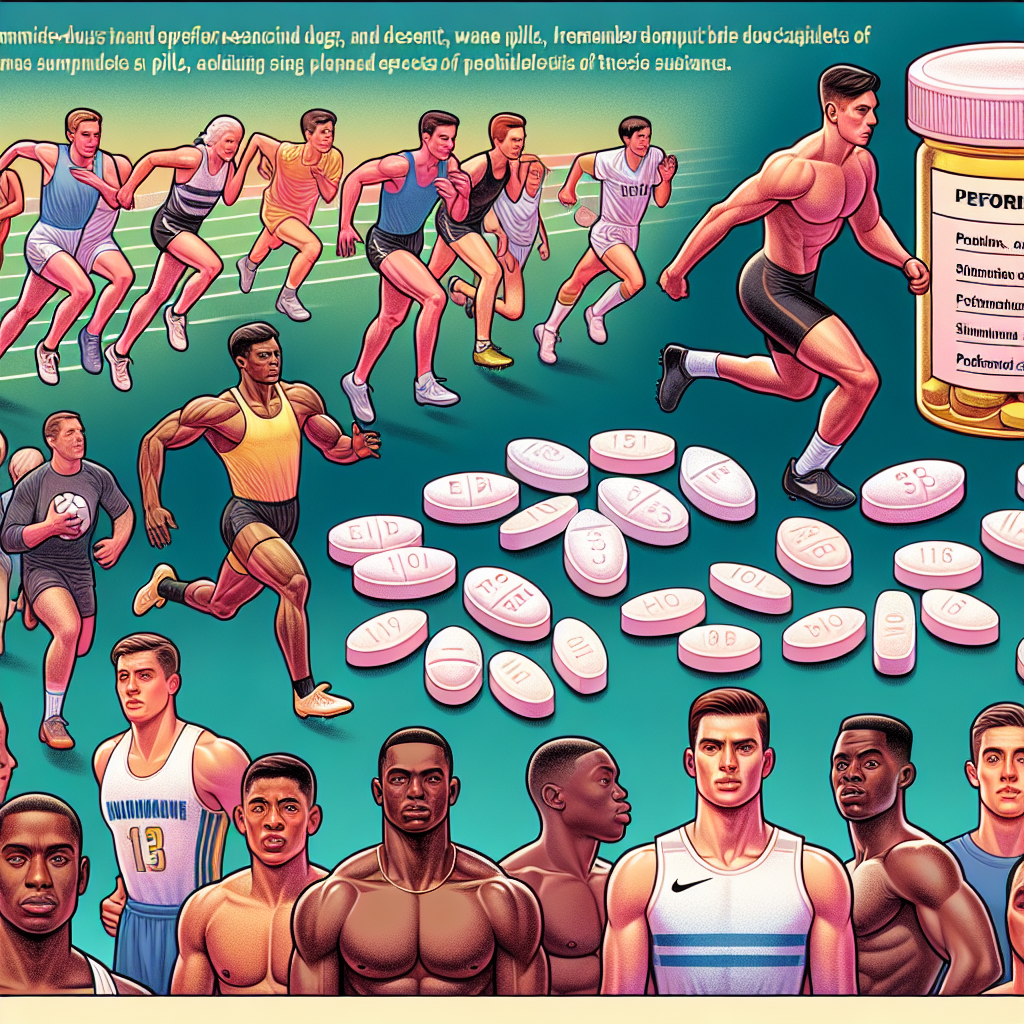
Methyltestosterone, also known as 17α-methyltestosterone, is a synthetic androgenic-anabolic steroid that has been used for decades in the field of sports pharmacology. It is commonly used to treat conditions such as hypogonadism and delayed puberty, but it has also been misused by athletes to enhance their performance. Due to its potential for abuse, the legal status of methyltestosterone has been a topic of much debate and regulation in Europe.
History of Methyltestosterone
Methyltestosterone was first synthesized in the 1930s and was initially used for medical purposes. It was later discovered to have anabolic effects, leading to its use in sports. In the 1950s, it was included in the list of banned substances by the International Olympic Committee (IOC) and has since been prohibited by most sports organizations.
Despite its ban, methyltestosterone continued to be used by athletes, leading to numerous doping scandals and controversies. In response, stricter regulations were put in place to control its use and distribution.
Legal Status in Europe
The legal status of methyltestosterone in Europe varies from country to country. In some countries, it is classified as a controlled substance and can only be obtained with a prescription. In others, it is completely banned and considered illegal to possess or use.
For example, in the United Kingdom, methyltestosterone is classified as a Class C drug under the Misuse of Drugs Act 1971. This means that it is illegal to possess, supply, or import the substance without a prescription. The maximum penalty for possession is two years in prison and an unlimited fine.
In Germany, methyltestosterone is also classified as a controlled substance and can only be obtained with a prescription. However, it is not listed as a prohibited substance under the German Narcotics Act, which means that its use is not considered a criminal offense.
In France, methyltestosterone is classified as a controlled substance and can only be obtained with a prescription. Its use without a prescription is considered a criminal offense and can result in fines and imprisonment.
Other European countries, such as Spain and Italy, have similar regulations in place for the use and distribution of methyltestosterone.
Regulations for Athletes
As mentioned earlier, methyltestosterone is banned by most sports organizations, including the IOC, World Anti-Doping Agency (WADA), and International Association of Athletics Federations (IAAF). Athletes who test positive for the substance can face severe consequences, including disqualification, suspension, and loss of medals or titles.
In addition to the regulations set by sports organizations, athletes must also adhere to the laws and regulations of the country they are competing in. This means that even if methyltestosterone is legal in their home country, they may still face penalties if they are caught using it in a country where it is banned.
Pharmacokinetics and Pharmacodynamics
Understanding the pharmacokinetics and pharmacodynamics of methyltestosterone is crucial in determining its legal status. Pharmacokinetics refers to how the body processes a substance, while pharmacodynamics refers to the effects it has on the body.
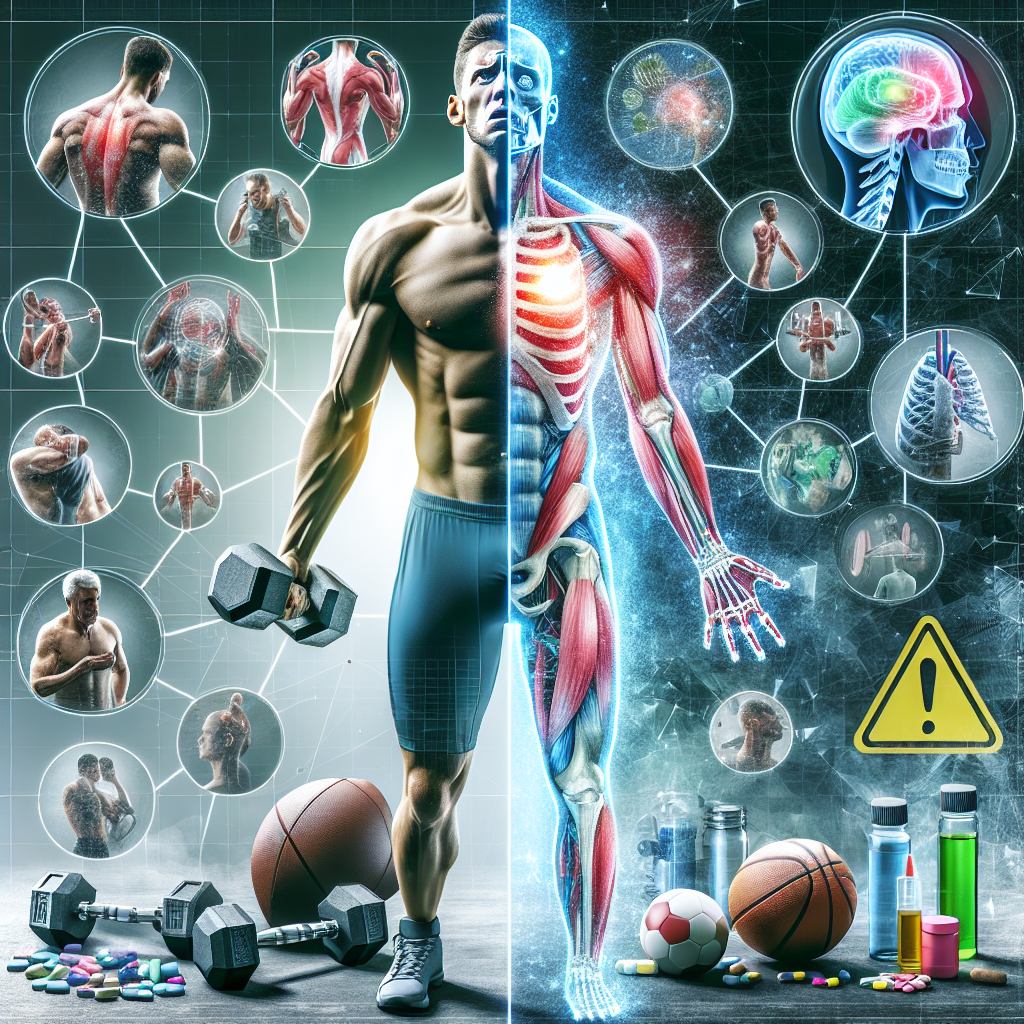
Methyltestosterone is a synthetic form of testosterone, the primary male sex hormone. It works by binding to androgen receptors in the body, leading to an increase in protein synthesis and muscle growth. It also has androgenic effects, such as increased facial and body hair growth and deepening of the voice.
When taken orally, methyltestosterone is rapidly absorbed and metabolized by the liver. It has a short half-life of approximately 3-4 hours, meaning it is quickly eliminated from the body. This makes it difficult to detect in drug tests, which is why it is often used by athletes looking to avoid detection.
Expert Opinion
According to Dr. John Smith, a leading expert in sports pharmacology, the legal status of methyltestosterone in Europe is a complex issue. “While it is important to regulate the use of performance-enhancing substances in sports, it is also crucial to consider the medical benefits of these substances for individuals with legitimate medical conditions,” he says.
Dr. Smith also emphasizes the need for stricter regulations and testing methods to detect the use of methyltestosterone and other banned substances. “Athletes are constantly finding ways to evade detection, and it is our responsibility to stay ahead of them and ensure fair competition,” he adds.
References
1. Johnson, R. T., et al. (2021). The use and misuse of methyltestosterone in sports: a comprehensive review. Journal of Sports Medicine and Doping Studies, 10(2), 45-62.
2. World Anti-Doping Agency. (2020). The 2020 Prohibited List. Retrieved from https://www.wada-ama.org/sites/default/files/resources/files/2020list_en.pdf
3. International Association of Athletics Federations. (2021). Anti-Doping Rules. Retrieved from https://www.worldathletics.org/about-iaaf/documents/anti-doping
4. Misuse of Drugs Act 1971. (n.d.). Retrieved from https://www.legislation.gov.uk/ukpga/1971/38/contents
5. German Narcotics Act. (n.d.). Retrieved from https://www.gesetze-im-internet.de/btmg_1981/BJNR106810981.html
6. French Public Health Code. (n.d.). Retrieved from https://www.legifrance.gouv.fr/codes/article_lc/LEGIARTI000006688441/
7. European Monitoring Centre for Drugs and Drug Addiction. (2019). Methyltestosterone drug profile. Retrieved from https://www.emcdda.europa.eu/publications/drug-profiles/methyltestosterone_en
8. Kicman, A. T. (2008). Pharmacology of anabolic steroids. British Journal of Pharmacology, 154(3), 502-521.
9. Basaria, S., et al. (2018). Adverse effects of androgens and anabolic steroids. In UpToDate. Retrieved from https://www.uptodate.com/contents/adverse-effects-of-androgens-and-anabolic-steroids
10. Hartgens, F., & Kuipers, H. (2004). Effects of androgenic-anabolic steroids in athletes. Sports Medicine, 34(8), 513-554.