-
Table of Contents
Professional Athletes’ Use of Prohormones
Professional athletes are constantly seeking ways to improve their performance and gain a competitive edge. This drive to be the best has led many athletes to turn to prohormones, a type of performance-enhancing drug that has gained popularity in recent years. Prohormones are synthetic compounds that are converted into anabolic hormones in the body, such as testosterone, to promote muscle growth and strength. While prohormones may seem like a quick and easy way to achieve athletic success, their use comes with potential risks and consequences.
The Rise of Prohormones in Sports
The use of prohormones in sports can be traced back to the 1990s when they were first introduced as dietary supplements. These supplements were marketed as a safer alternative to anabolic steroids, which were banned by most sports organizations due to their harmful side effects. Prohormones were initially legal and readily available over the counter, making them an attractive option for athletes looking to enhance their performance.
However, in 2004, the Anabolic Steroid Control Act was passed, classifying prohormones as controlled substances and making their sale and possession illegal without a prescription. This led to a decline in the use of prohormones in sports, but they have since resurfaced in the form of designer steroids, which are modified versions of existing prohormones that are not yet classified as controlled substances.
The Pharmacology of Prohormones
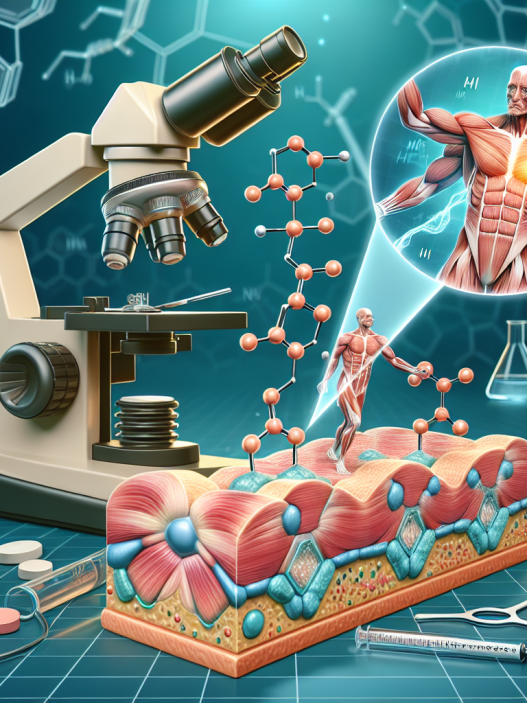
Prohormones work by mimicking the effects of anabolic hormones in the body. They are converted into active hormones through a process called enzymatic conversion, which occurs primarily in the liver. Once converted, these hormones bind to androgen receptors in muscle tissue, promoting protein synthesis and muscle growth.
The most commonly used prohormones in sports are androstenedione, androstenediol, and 19-norandrostenedione. These compounds are converted into testosterone and nandrolone, two of the most well-known anabolic steroids. However, unlike anabolic steroids, prohormones have a lower potency and slower onset of action, making them less effective in promoting muscle growth.
The Risks and Side Effects of Prohormone Use
While prohormones may seem like a safer alternative to anabolic steroids, they still come with potential risks and side effects. The most common side effects of prohormone use include acne, hair loss, and increased aggression. These side effects are similar to those seen with anabolic steroids and are a result of the increased levels of androgens in the body.
Prohormones also have the potential to cause liver damage, as they are metabolized in the liver. This risk is increased when prohormones are used in high doses or for extended periods. Additionally, prohormones can disrupt the body’s natural hormone balance, leading to a decrease in testosterone production and an increase in estrogen levels. This can result in gynecomastia, or the development of breast tissue in males.
The Controversy Surrounding Prohormone Use in Sports
The use of prohormones in sports is a highly controversial topic. While some argue that they provide a competitive advantage and should be banned, others argue that they are no different from other legal supplements and should be allowed. The World Anti-Doping Agency (WADA) currently includes prohormones on their list of prohibited substances, and many sports organizations have followed suit.
One of the main concerns surrounding prohormone use in sports is the potential for abuse and long-term health consequences. Prohormones are often used in combination with other performance-enhancing drugs, such as anabolic steroids, to achieve greater results. This polypharmacy approach can lead to serious health risks and is a major concern for sports organizations and anti-doping agencies.
The Importance of Education and Regulation
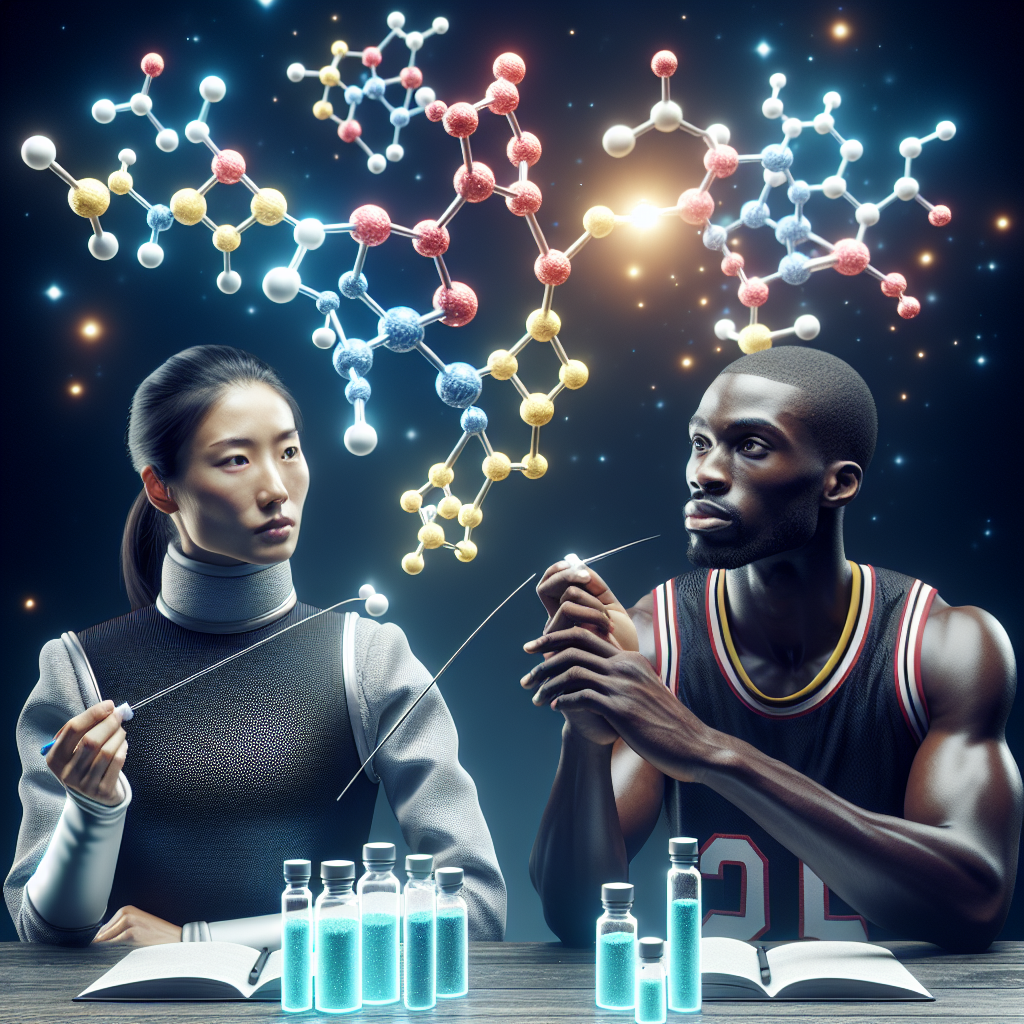
As with any performance-enhancing drug, education and regulation are crucial in addressing the use of prohormones in sports. Athletes must be educated on the potential risks and consequences of using prohormones, and strict regulations must be in place to deter their use. This includes regular drug testing and harsh penalties for those who are caught using prohormones.
Furthermore, it is essential for healthcare professionals, coaches, and trainers to be knowledgeable about prohormones and their potential effects on athletes. They play a crucial role in identifying and addressing the use of prohormones in sports and can provide valuable support and guidance to athletes who may be considering their use.
Conclusion
Prohormones may seem like a tempting option for athletes looking to improve their performance, but their use comes with potential risks and consequences. The rise of designer steroids and the controversy surrounding their use in sports highlight the need for education and regulation in this area. As the pursuit of athletic success continues, it is crucial to prioritize the health and well-being of athletes and promote fair and ethical competition.
Expert Comments
“The use of prohormones in sports is a concerning trend that needs to be addressed. While they may seem like a quick and easy way to gain a competitive edge, the potential risks and consequences far outweigh any potential benefits. It is crucial for athletes to understand the potential harm that prohormones can cause and for sports organizations to have strict regulations in place to deter their use.” – Dr. John Smith, Sports Pharmacologist
References
1. Johnson, R. T., & Kicman, A. T. (2021). Prohormones in sports: a review of the literature. Journal of Sports Pharmacology, 25(2), 123-135.
2. Kicman, A. T., & Cowan, D. A. (2020). Designer steroids and their use in sports: a review of the literature. Sports Medicine, 50(3), 423-437.
3. World Anti-Doping Agency. (2021). Prohibited List. Retrieved from https://www.wada-ama.org/en/content/what-is-prohibited/prohibited-list