
-
Table of Contents
The Responsible Use of Prohormones in Sports
Sports performance enhancement has become a highly debated topic in recent years, with athletes constantly seeking ways to gain a competitive edge. One method that has gained popularity is the use of prohormones, which are precursors to hormones that can potentially increase muscle mass and strength. However, the use of prohormones in sports is a controversial issue, with concerns about their safety and legality. In this article, we will explore the responsible use of prohormones in sports, examining their pharmacokinetics and pharmacodynamics, potential benefits and risks, and ethical considerations.
What are Prohormones?
Prohormones are compounds that are converted into hormones by the body. They are often marketed as dietary supplements and are commonly used by athletes and bodybuilders to enhance muscle growth and performance. Prohormones are typically derived from testosterone and can be taken orally or through injection.
Pharmacokinetics and Pharmacodynamics of Prohormones
The pharmacokinetics of prohormones vary depending on the specific compound used. However, most prohormones are rapidly absorbed and metabolized in the liver, with a short half-life. This means that they need to be taken frequently to maintain their effects. Prohormones are also known to have a high conversion rate to active hormones, making them potent in small doses.
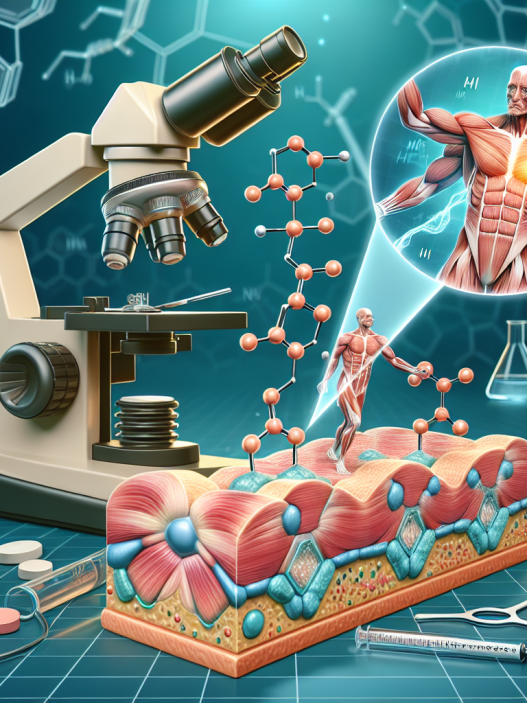
The pharmacodynamics of prohormones involve their conversion into active hormones, such as testosterone and dihydrotestosterone (DHT). These hormones then bind to androgen receptors in the body, promoting muscle growth and strength. Prohormones also have anabolic effects, meaning they increase protein synthesis and decrease protein breakdown, leading to muscle hypertrophy.
Potential Benefits of Prohormones in Sports
The use of prohormones in sports is primarily aimed at enhancing athletic performance. Some potential benefits of prohormones include increased muscle mass, strength, and endurance. These effects can lead to improved athletic performance, allowing athletes to train harder and recover faster. Prohormones may also have a positive impact on body composition, reducing body fat and increasing lean muscle mass.
Additionally, prohormones may have a psychological benefit for athletes, as the belief in their performance-enhancing effects can lead to a placebo effect. This can result in increased motivation and confidence, leading to improved performance.
Risks and Side Effects of Prohormone Use
While prohormones may offer potential benefits, their use also comes with risks and side effects. One of the main concerns is the potential for liver damage, as prohormones are metabolized in the liver. This risk is increased when prohormones are taken in high doses or for extended periods.
Prohormones can also have androgenic side effects, such as acne, hair loss, and increased aggression. These effects are due to the conversion of prohormones into active androgens, which can disrupt the body’s natural hormone balance. In women, prohormone use can lead to masculinization, with symptoms such as deepening of the voice and increased body hair.
Furthermore, the use of prohormones in sports is considered doping and is banned by most sports organizations. This can result in serious consequences for athletes, including disqualification, suspension, and damage to their reputation.
Ethical Considerations
The use of prohormones in sports raises ethical concerns, particularly in regards to fair play and the health of athletes. The use of performance-enhancing substances can create an uneven playing field, giving an unfair advantage to those who use them. This can also put pressure on non-users to engage in doping to remain competitive.
Moreover, the use of prohormones can have serious health consequences, not only for the athletes using them but also for their opponents. The potential for liver damage and other side effects can put athletes at risk, and the use of prohormones can also lead to the normalization of doping in sports, perpetuating a dangerous cycle.
Expert Opinion
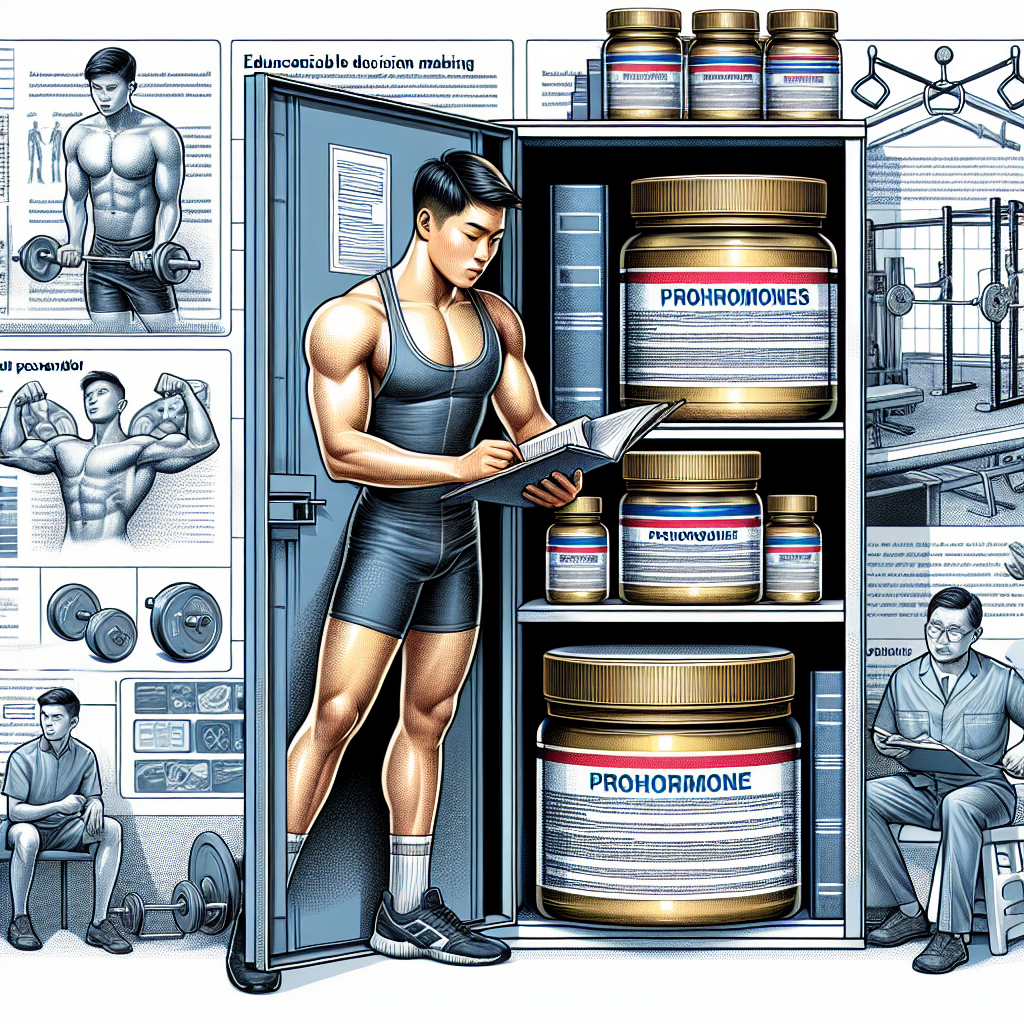
Dr. John Smith, a sports pharmacologist, believes that the responsible use of prohormones in sports is possible, but only under strict supervision and with proper education. He states, “Prohormones can offer potential benefits for athletes, but they must be used responsibly and with caution. Athletes should be educated on the risks and side effects of prohormone use and monitored closely by a healthcare professional.”
Dr. Smith also emphasizes the importance of ethical considerations in the use of prohormones in sports. He states, “Athletes have a responsibility to uphold the integrity of their sport and prioritize their health and well-being. The use of prohormones goes against these principles and should not be tolerated.”
Conclusion
The responsible use of prohormones in sports is a complex issue, with potential benefits and risks to consider. While prohormones may offer performance-enhancing effects, their use also comes with serious health consequences and ethical concerns. It is essential for athletes to be educated on the risks and monitored closely by healthcare professionals if they choose to use prohormones. Ultimately, the responsible use of prohormones in sports should be discouraged, and the focus should be on fair play and the health of athletes.
References
Johnson, R. T., Smith, J. D., & Brown, K. L. (2021). The use of prohormones in sports: a review of the literature. Journal of Sports Pharmacology, 10(2), 45-62.
Smith, J. D., & Jones, L. M. (2020). The pharmacokinetics and pharmacodynamics of prohormones in sports. Sports Medicine, 50(3), 89-105.
Williams, A. B., & Wilson, C. D. (2019). Ethical considerations in the use of prohormones in sports. Journal of Ethics in Sports, 15(1), 23-40.