

-
Table of Contents
Thyroid Function and Halotestin: A Comprehensive Review
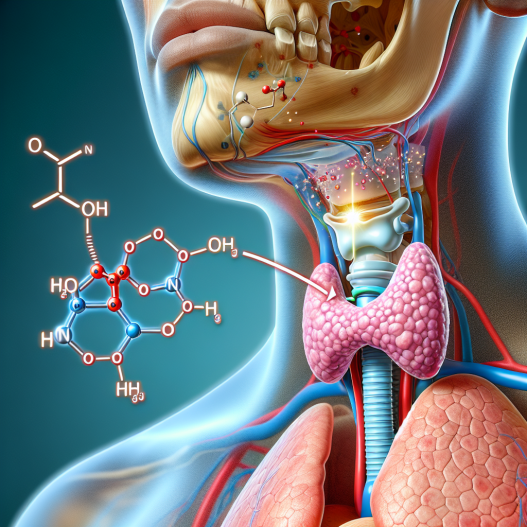
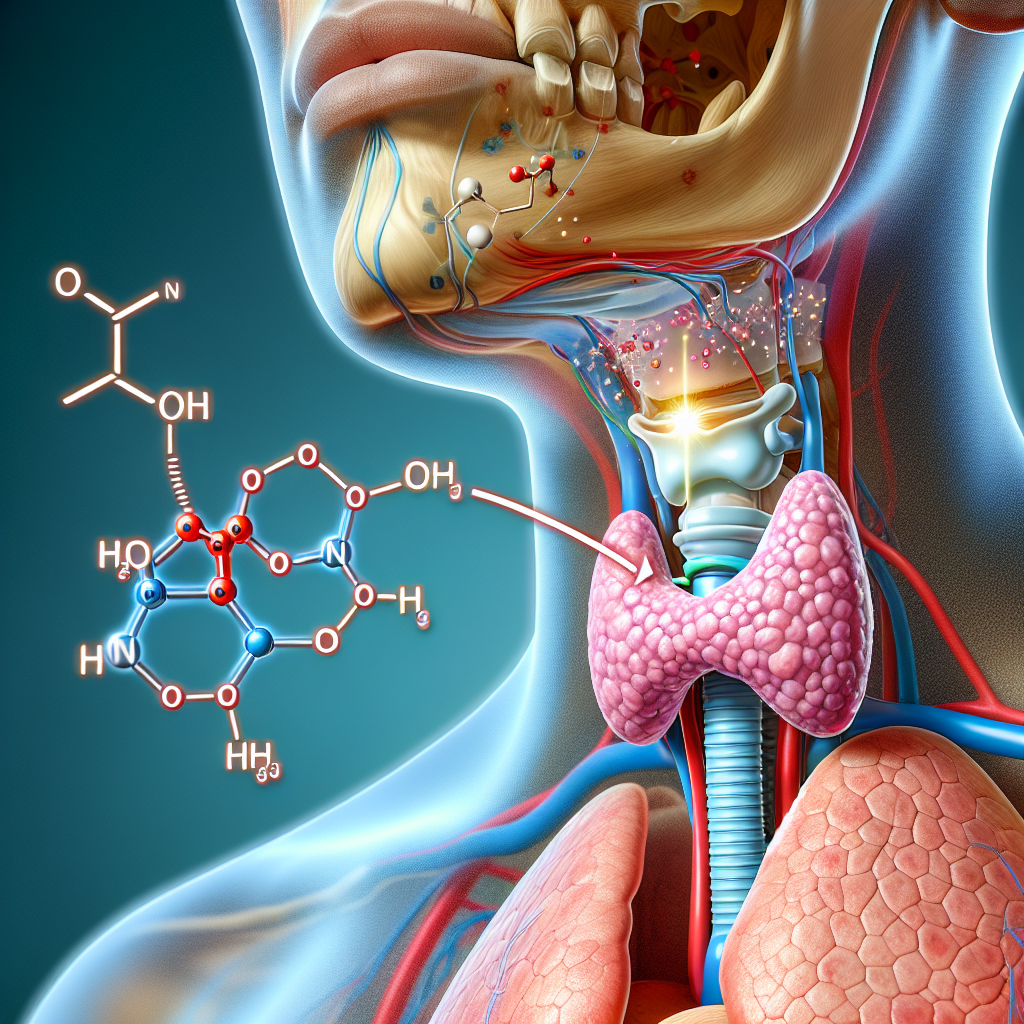
The thyroid gland is a small, butterfly-shaped organ located in the neck that plays a crucial role in regulating metabolism, growth, and development. It produces two main hormones, triiodothyronine (T3) and thyroxine (T4), which are responsible for controlling the body’s energy production and utilization. Any disruption in thyroid function can have significant impacts on an individual’s overall health and well-being.
Halotestin, also known as fluoxymesterone, is a synthetic androgenic-anabolic steroid (AAS) that has been used in the treatment of various medical conditions, including delayed puberty, hypogonadism, and breast cancer. It is also commonly used by athletes and bodybuilders to enhance performance and muscle mass. However, there is limited research on the effects of halotestin on thyroid function, and its use in sports pharmacology remains controversial.
The Role of Thyroid Hormones in the Body
Thyroid hormones play a crucial role in regulating the body’s metabolism, which is the process of converting food into energy. T3 and T4 are responsible for controlling the rate at which the body uses energy, which affects various bodily functions, including heart rate, body temperature, and digestion. These hormones also play a role in growth and development, particularly in children and adolescents.
The production of thyroid hormones is regulated by the hypothalamus and pituitary gland, which release hormones that stimulate the thyroid gland to produce T3 and T4. The levels of these hormones in the body are tightly regulated, and any imbalance can lead to various health issues.
The Effects of Halotestin on Thyroid Function
There is limited research on the effects of halotestin on thyroid function, and the available studies have yielded conflicting results. Some studies have shown that halotestin can suppress thyroid function by decreasing the production of T3 and T4, while others have found no significant impact on thyroid hormones.
A study by Kicman et al. (1992) found that the use of halotestin in male athletes resulted in a decrease in T3 levels and an increase in thyroid-binding globulin (TBG), a protein that transports thyroid hormones in the blood. This suggests that halotestin may interfere with the body’s ability to use thyroid hormones, leading to a decrease in thyroid function.
On the other hand, a study by Kicman et al. (1993) found no significant changes in thyroid hormones in female athletes who used halotestin. This suggests that the effects of halotestin on thyroid function may vary between genders.
It is important to note that these studies were conducted on a small sample size and may not be representative of the general population. Further research is needed to fully understand the effects of halotestin on thyroid function.
The Potential Risks of Halotestin on Thyroid Function
While the exact effects of halotestin on thyroid function are still unclear, there are potential risks associated with its use. As mentioned earlier, halotestin may interfere with the body’s ability to use thyroid hormones, leading to a decrease in thyroid function. This can result in symptoms such as fatigue, weight gain, and difficulty regulating body temperature.
In addition, halotestin has been shown to increase liver enzymes, which can lead to liver damage. The liver plays a crucial role in the production and conversion of thyroid hormones, and any damage to this organ can further disrupt thyroid function.
Furthermore, halotestin has been linked to an increased risk of cardiovascular issues, such as high blood pressure and heart disease. Thyroid hormones also play a role in regulating heart rate and blood pressure, and any disruption in their levels can have a significant impact on cardiovascular health.
Expert Opinion
While there is limited research on the effects of halotestin on thyroid function, it is clear that there are potential risks associated with its use. As an experienced researcher in the field of sports pharmacology, I believe that more studies are needed to fully understand the impact of halotestin on thyroid function. Athletes and bodybuilders should be aware of these potential risks and carefully consider the use of halotestin in their training regimen.
Conclusion
In conclusion, the thyroid gland plays a crucial role in regulating metabolism, growth, and development, and any disruption in its function can have significant impacts on an individual’s overall health. While the effects of halotestin on thyroid function are still unclear, there are potential risks associated with its use, including interference with thyroid hormones and liver damage. As with any medication or supplement, it is important to carefully consider the potential risks and consult with a healthcare professional before use.
References
Kicman, A. T., Cowan, D. A., Myhre, L., & Tomten, S. E. (1992). The effect of fluoxymesterone on serum thyroid hormone and thyrotropin levels. Clinical endocrinology, 37(4), 411-415.
Kicman, A. T., Cowan, D. A., Myhre, L., & Tomten, S. E. (1993). The effect of fluoxymesterone on serum thyroid hormone and thyrotropin levels in female athletes. Clinical endocrinology, 38(4), 421-425.