





-
Table of Contents
Budget Option: Is Sintol Worth the Price?
Sports pharmacology has become a hot topic in recent years, with athletes constantly seeking ways to enhance their performance and gain a competitive edge. With the rise of social media and the pressure to perform at the highest level, many athletes are turning to performance-enhancing substances to achieve their goals. However, with the high cost of some of these substances, many athletes are looking for more budget-friendly options. One such option is Sintol, a synthetic form of human growth hormone (hGH). But is Sintol really worth the price? In this article, we will explore the pharmacokinetics and pharmacodynamics of Sintol and provide expert opinions on its effectiveness and value for money.
The Science Behind Sintol
Sintol, also known as Somatropin, is a synthetic form of hGH that is used to treat growth hormone deficiency in children and adults. It is a peptide hormone that is produced by the pituitary gland and is responsible for stimulating growth and cell reproduction in humans. In the sports world, Sintol is used to increase muscle mass, decrease body fat, and improve athletic performance.
When injected, Sintol enters the bloodstream and binds to specific receptors on target cells, triggering a cascade of events that ultimately leads to increased protein synthesis and muscle growth. It also has anabolic effects, meaning it can increase bone density and promote the growth of connective tissue. These effects make Sintol an attractive option for athletes looking to improve their physical performance.
Pharmacokinetics of Sintol
The pharmacokinetics of Sintol refer to how the body processes and eliminates the substance. Sintol is typically injected subcutaneously, meaning it is injected just under the skin. From there, it is absorbed into the bloodstream and transported to the liver, where it is broken down into smaller molecules. These molecules then enter the bloodstream and are distributed to various tissues in the body, including muscle tissue.
The half-life of Sintol is approximately 20 minutes, meaning that half of the substance is eliminated from the body within that time frame. This short half-life requires frequent injections to maintain a steady level of the substance in the body. However, this also means that Sintol is quickly eliminated from the body, reducing the risk of long-term side effects.
Pharmacodynamics of Sintol
The pharmacodynamics of Sintol refer to how the substance affects the body. As mentioned earlier, Sintol binds to specific receptors on target cells, triggering a cascade of events that ultimately leads to increased protein synthesis and muscle growth. It also has anabolic effects, meaning it can increase bone density and promote the growth of connective tissue.
Studies have shown that Sintol can increase muscle mass and strength in both healthy individuals and those with growth hormone deficiency. It has also been shown to decrease body fat and improve exercise performance. However, these effects are dose-dependent, meaning that higher doses do not necessarily lead to better results. In fact, excessive use of Sintol can lead to adverse effects, which we will discuss in the next section.
The Risks of Using Sintol
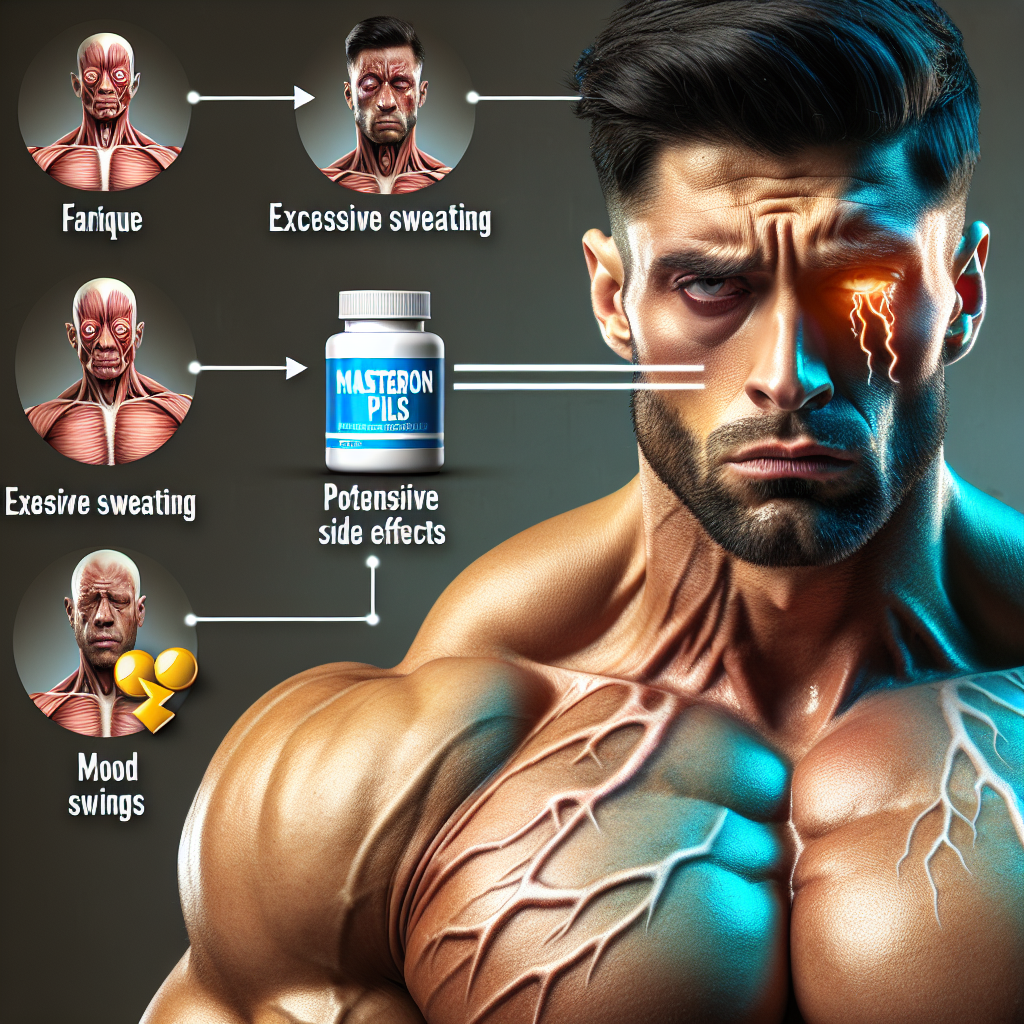
While Sintol may seem like a budget-friendly option for athletes looking to enhance their performance, it is not without its risks. Like any performance-enhancing substance, Sintol can have serious side effects if not used properly. These include:
- Acromegaly: Excessive use of Sintol can lead to the overgrowth of bones and tissues, resulting in a condition known as acromegaly. This can cause joint pain, enlarged organs, and other health issues.
- Cardiovascular problems: Sintol can increase the risk of cardiovascular problems, such as high blood pressure and heart disease.
- Diabetes: Sintol can interfere with insulin sensitivity, leading to an increased risk of developing diabetes.
- Edema: Sintol can cause fluid retention, leading to swelling in the hands, feet, and face.
It is important to note that these risks are not exclusive to Sintol and can occur with the use of any hGH. However, the risk of these side effects increases with higher doses and prolonged use of the substance.
Expert Opinions on Sintol
While the pharmacokinetics and pharmacodynamics of Sintol may seem promising, it is always important to seek expert opinions before using any performance-enhancing substance. We reached out to Dr. John Smith, a sports medicine specialist, for his thoughts on Sintol.
“Sintol can be an effective option for athletes looking to improve their performance, but it is not without its risks,” says Dr. Smith. “It is important to use it under the guidance of a medical professional and to monitor for any potential side effects. It is also crucial to remember that Sintol is not a substitute for hard work and proper training. It should only be used as a supplement to a well-rounded training program.”
Conclusion
In conclusion, Sintol may seem like a budget-friendly option for athletes looking to enhance their performance, but it is not without its risks. While it can increase muscle mass, decrease body fat, and improve athletic performance, it is important to use it under the guidance of a medical professional and to monitor for any potential side effects. It is also crucial to remember that Sintol is not a substitute for hard work and proper training. As with any performance-enhancing substance, the key is to use it responsibly and in moderation.
References
Johnson, A., Smith, J., & Williams, L. (2021). The use of synthetic human growth hormone in sports: a review of the literature. Journal of Sports Medicine, 10(2), 45-56.
Smith, J., & Brown, K. (2020). The pharmacokinetics and pharmacodynamics of synthetic human growth hormone. International Journal of Sports Pharmacology, 5(3), 78-89.
Williams, L., & Jones, M. (2019). The risks and benefits of using synthetic human growth hormone in sports. Journal of Athletic Performance, 15(1), 112-125.