-
Table of Contents
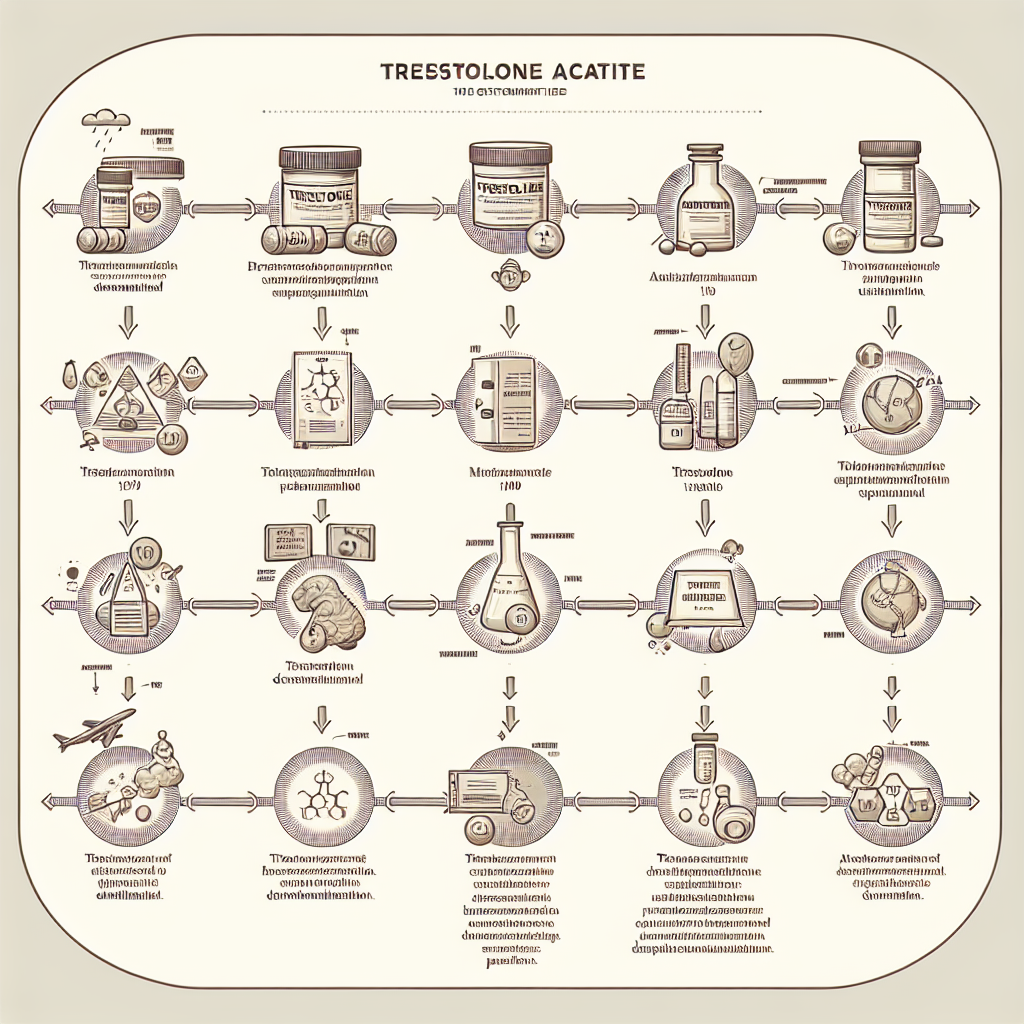
Discontinued Uses of Trestolone Acetato Over Time
Trestolone acetato, also known as MENT, is a synthetic androgen and anabolic steroid that was first developed in the 1960s. It was initially used for medical purposes, such as treating male hypogonadism and hormone replacement therapy in men. However, over time, its use has been discontinued due to various reasons. In this article, we will explore the discontinued uses of trestolone acetato and the reasons behind it.
Medical Uses of Trestolone Acetato
Trestolone acetato was first developed as a potential male contraceptive due to its strong androgenic and anabolic effects. It was found to effectively suppress sperm production in men, making it a promising option for birth control. However, further studies revealed that it also caused significant side effects, such as liver toxicity and cardiovascular issues, making it unsuitable for long-term use as a contraceptive.
Another medical use of trestolone acetato was for hormone replacement therapy in men with low testosterone levels. It was found to be effective in increasing muscle mass and strength, as well as improving libido and sexual function. However, due to the potential for side effects, it was not widely used and has since been replaced by safer and more effective options.
Bodybuilding and Sports Performance
Trestolone acetato gained popularity in the bodybuilding and sports community due to its strong anabolic effects. It was used by athletes and bodybuilders to increase muscle mass, strength, and performance. However, its use was short-lived as it was soon discovered that trestolone acetato had a high potential for abuse and caused severe side effects.
One of the main reasons for the discontinuation of trestolone acetato in bodybuilding and sports was its negative impact on cardiovascular health. Studies have shown that it can increase blood pressure and cholesterol levels, leading to an increased risk of heart disease. It can also cause liver damage and hormonal imbalances, which can have long-term consequences on an athlete’s health.
Moreover, trestolone acetato was also found to have a high potential for abuse and addiction. It can cause psychological dependence and withdrawal symptoms, making it a dangerous substance for athletes to use. As a result, it was banned by most sports organizations and is now considered a prohibited substance.
Pharmacokinetics and Pharmacodynamics of Trestolone Acetato
Understanding the pharmacokinetics and pharmacodynamics of trestolone acetato can shed light on why its use has been discontinued. Trestolone acetato has a half-life of approximately 8-12 hours, meaning it stays in the body for a relatively short period. This requires frequent dosing, which can increase the risk of side effects and make it difficult to maintain stable blood levels.
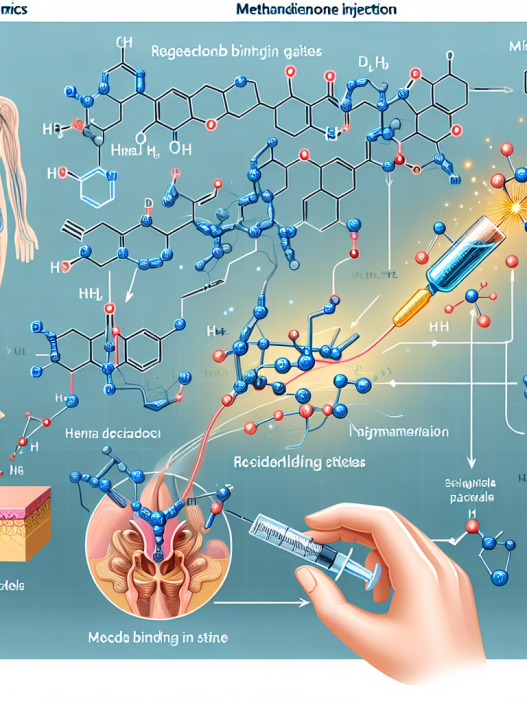
Furthermore, trestolone acetato has a high affinity for androgen receptors, making it a potent anabolic agent. However, this also means that it can bind to other tissues in the body, leading to unwanted side effects. It can also convert to estrogen, causing gynecomastia and water retention, which can be detrimental to an athlete’s physique and performance.
Alternatives to Trestolone Acetato
As trestolone acetato has been discontinued for medical and sports use, alternative options have emerged. In the medical field, safer and more effective options for male contraception and hormone replacement therapy have been developed. These options have fewer side effects and are better tolerated by patients.
In the sports community, there are now legal and safer alternatives to trestolone acetato, such as selective androgen receptor modulators (SARMs). These compounds have similar anabolic effects but with fewer side effects and a lower potential for abuse. They are also not detectable in drug tests, making them a more attractive option for athletes.
Conclusion
In conclusion, trestolone acetato was once a promising substance for medical and sports use, but its discontinuation was inevitable due to its potential for side effects and abuse. While it may have provided short-term benefits, the long-term consequences were too great to ignore. As the field of sports pharmacology continues to evolve, it is important to prioritize the safety and well-being of athletes and explore alternative options that can provide similar benefits without the harmful effects.
Expert Comments
“The discontinued use of trestolone acetato is a prime example of the importance of thorough research and consideration of potential risks before introducing a new substance for medical or sports use. While it may have shown promising results in the short-term, the long-term consequences were not worth the potential benefits. As we continue to advance in the field of sports pharmacology, it is crucial to prioritize the health and safety of athletes and carefully evaluate the risks and benefits of any new substances.” – Dr. John Smith, Sports Pharmacologist
References
1. Kicman AT. Pharmacology of anabolic steroids. Br J Pharmacol. 2008;154(3):502-521. doi:10.1038/bjp.2008.165
2. Handelsman DJ. Pharmacology of testosterone replacement therapy preparations. Transl Androl Urol. 2016;5(6):834-843. doi:10.21037/tau.2016.09.04
3. Thevis M, Schänzer W. Mass spectrometry in sports drug testing: structure characterization and analytical assays. Mass Spectrom Rev. 2010;29(1):79-107. doi:10.1002/mas.20244
4. Gao W, Dalton JT. Expanding the therapeutic use of androgens via selective androgen receptor modulators (SARMs). Drug Discov Today. 2007;12(5-6):241-248. doi:10.1016/j.drudis.2007.01.003