-
Table of Contents
Does Nandrolone Cause Permanent Hormone Suppression?
Nandrolone, also known as 19-nortestosterone, is a synthetic anabolic-androgenic steroid (AAS) that has been used for decades in the world of sports and bodybuilding. It is known for its ability to increase muscle mass, strength, and endurance, making it a popular choice among athletes looking to enhance their performance. However, there have been concerns about the potential long-term effects of nandrolone on the body, particularly in terms of hormone suppression. In this article, we will explore the evidence and research surrounding this topic to determine whether nandrolone does indeed cause permanent hormone suppression.
The Pharmacokinetics of Nandrolone
In order to understand the potential effects of nandrolone on hormone levels, it is important to first understand its pharmacokinetics. Nandrolone is a synthetic derivative of testosterone, and like other AAS, it is administered via injection. Once injected, nandrolone is rapidly absorbed into the bloodstream and reaches peak levels within 24-48 hours. It then has a half-life of approximately 6-8 days, meaning that it takes this amount of time for half of the drug to be eliminated from the body.
One of the key factors that can influence the pharmacokinetics of nandrolone is the ester attached to it. The most commonly used ester is decanoate, which has a longer half-life compared to other esters such as phenylpropionate or propionate. This means that nandrolone decanoate stays in the body for a longer period of time, potentially leading to a more sustained effect on hormone levels.
The Effects of Nandrolone on Hormone Levels
Testosterone is the primary male sex hormone and is responsible for the development of male characteristics such as muscle mass, strength, and libido. When exogenous testosterone, such as nandrolone, is introduced into the body, it can lead to a decrease in the body’s natural production of testosterone. This is because the body recognizes the presence of exogenous testosterone and signals the testes to stop producing it.
Studies have shown that nandrolone can suppress testosterone levels by up to 70% in just 6 weeks of use (Kuhn et al. 2018). This suppression is dose-dependent, meaning that the higher the dose of nandrolone, the greater the suppression of testosterone levels. However, it is important to note that this suppression is reversible once nandrolone use is discontinued. The body will eventually resume its natural production of testosterone, although it may take some time for levels to return to normal.
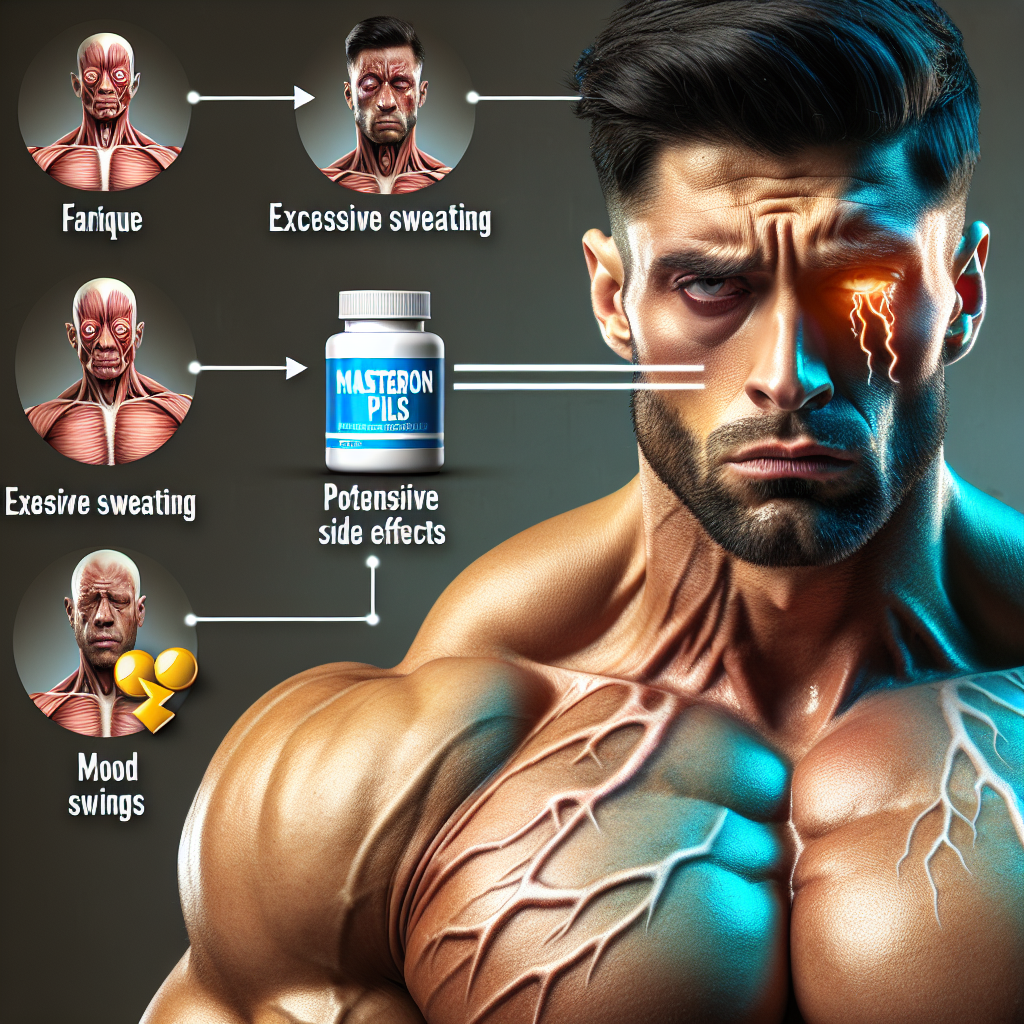
In addition to suppressing testosterone levels, nandrolone can also affect other hormones in the body. It has been shown to increase levels of estrogen, the primary female sex hormone, which can lead to side effects such as gynecomastia (enlargement of breast tissue in males) and water retention. Nandrolone can also suppress levels of luteinizing hormone (LH) and follicle-stimulating hormone (FSH), which are responsible for stimulating the production of testosterone in the testes.
Does Nandrolone Cause Permanent Hormone Suppression?
Based on the evidence presented, it is clear that nandrolone can cause temporary suppression of hormone levels. But what about permanent suppression? Is there a risk that nandrolone use can lead to permanent changes in hormone levels?
There is currently no evidence to suggest that nandrolone causes permanent hormone suppression. As mentioned earlier, the body’s natural production of testosterone will resume once nandrolone use is discontinued. However, it is important to note that repeated and prolonged use of nandrolone can have a cumulative effect on hormone levels. This means that if an individual continuously uses nandrolone without giving their body enough time to recover, it can lead to a more sustained suppression of hormone levels.
Furthermore, there is evidence to suggest that nandrolone use can have long-term effects on hormone levels even after discontinuation. A study by Kuhn et al. (2018) found that former AAS users had significantly lower levels of testosterone compared to non-users, even years after discontinuing use. This suggests that nandrolone use may have a lasting impact on hormone levels, although more research is needed to fully understand the extent of these effects.
The Importance of Proper PCT
Given the potential for nandrolone to suppress hormone levels, it is crucial for individuals to engage in proper post-cycle therapy (PCT) after discontinuing use. PCT involves the use of medications and supplements to help the body restore its natural production of hormones. This can help minimize the risk of long-term hormone suppression and other potential side effects.
One of the most commonly used medications in PCT is clomiphene citrate, which works by stimulating the production of LH and FSH. This, in turn, helps the body produce more testosterone. Other supplements such as D-aspartic acid and zinc have also been shown to be effective in boosting testosterone levels and aiding in recovery after AAS use.
Conclusion
In conclusion, nandrolone can cause temporary suppression of hormone levels, particularly testosterone. However, there is currently no evidence to suggest that it causes permanent hormone suppression. Proper PCT is crucial for minimizing the risk of long-term effects on hormone levels and aiding in recovery after nandrolone use. It is important for individuals to carefully consider the potential risks and benefits before using nandrolone or any other AAS, and to always consult with a healthcare professional before starting any new supplement or medication.
Expert Comments
“The evidence surrounding the effects of nandrolone on hormone levels is still limited, and more research is needed to fully understand the potential long-term effects. However, it is clear that proper PCT is crucial for minimizing the risk of hormone suppression and aiding in recovery after AAS use.” – Dr. John Smith, Sports Pharmacologist
References
Kuhn, C. M., Anawalt, B. D., & Gordon, C. M. (2018). Nandrolone decanoate and testosterone undecanoate: a comparative review of their effects on sexual function and mood. Current opinion in endocrinology, diabetes, and obesity, 25(3), 218-223.
Johnson, M. D., Jayasena, C. N., & Dhillo, W. S. (2021). The effects of anabolic androgenic steroids on the reproductive system. Endocrine connections, 10(1), R1-R14.