-
Table of Contents
- Free Testosterone Levels and Stanozololo Iniettabile: A Comprehensive Review
- The Role of Testosterone in Sports Performance
- Pharmacokinetics of Stanozololo Iniettabile
- Pharmacodynamics of Stanozololo Iniettabile
- Impact on Free Testosterone Levels
- Real-World Examples
- Expert Opinion
- Conclusion
- References
Free Testosterone Levels and Stanozololo Iniettabile: A Comprehensive Review
In the world of sports, performance enhancement is a constant pursuit. Athletes are always looking for ways to improve their strength, speed, and endurance. One method that has gained popularity in recent years is the use of anabolic steroids. These synthetic hormones mimic the effects of testosterone, the primary male sex hormone responsible for muscle growth and development. Among the various anabolic steroids available, stanozololo iniettabile has become a popular choice due to its ability to increase free testosterone levels. In this article, we will delve into the pharmacokinetics and pharmacodynamics of stanozololo iniettabile and its impact on free testosterone levels.
The Role of Testosterone in Sports Performance
Testosterone is a hormone produced primarily in the testicles in males and in smaller amounts in the ovaries in females. It plays a crucial role in the development of male reproductive tissues and secondary sexual characteristics, such as increased muscle and bone mass, body hair growth, and deepening of the voice. In sports, testosterone is known to enhance muscle growth, strength, and endurance, making it a sought-after hormone for athletes.
However, the body tightly regulates testosterone levels, and any increase beyond the normal range can have adverse effects. This is where stanozololo iniettabile comes into play. It is a synthetic derivative of testosterone that has been modified to increase its anabolic effects while reducing its androgenic effects. This means that it can promote muscle growth without causing excessive masculinizing effects, making it a popular choice among athletes.
Pharmacokinetics of Stanozololo Iniettabile
Stanozololo iniettabile is an injectable anabolic steroid that is typically administered intramuscularly. It has a half-life of approximately 24 hours, meaning that it takes about a day for half of the drug to be eliminated from the body. This makes it a relatively long-acting steroid compared to other anabolic steroids, which have shorter half-lives.
After administration, stanozololo iniettabile is rapidly absorbed into the bloodstream and reaches peak plasma levels within 30 minutes to an hour. It is then metabolized in the liver and excreted in the urine. The metabolites of stanozololo iniettabile can be detected in urine for up to 2 weeks after administration, making it a popular choice among athletes who are subject to drug testing.
Pharmacodynamics of Stanozololo Iniettabile
The primary mechanism of action of stanozololo iniettabile is through its binding to androgen receptors in muscle tissue. This leads to an increase in protein synthesis, which is essential for muscle growth. It also has anti-catabolic effects, meaning that it can prevent the breakdown of muscle tissue, allowing for more significant gains in muscle mass.
Additionally, stanozololo iniettabile has been shown to increase the production of red blood cells, which are responsible for carrying oxygen to muscles. This can improve endurance and delay fatigue, allowing athletes to train harder and longer.
Impact on Free Testosterone Levels
One of the main reasons athletes use stanozololo iniettabile is its ability to increase free testosterone levels. Free testosterone refers to the amount of testosterone that is not bound to proteins in the blood and is available for use by the body. This is the form of testosterone that has the most significant impact on muscle growth and athletic performance.
Studies have shown that stanozololo iniettabile can increase free testosterone levels by up to 50%. This is due to its ability to inhibit the production of sex hormone-binding globulin (SHBG), a protein that binds to testosterone and reduces its availability. By reducing SHBG levels, stanozololo iniettabile allows for more free testosterone to be available for use by the body, leading to increased muscle growth and performance.
Real-World Examples
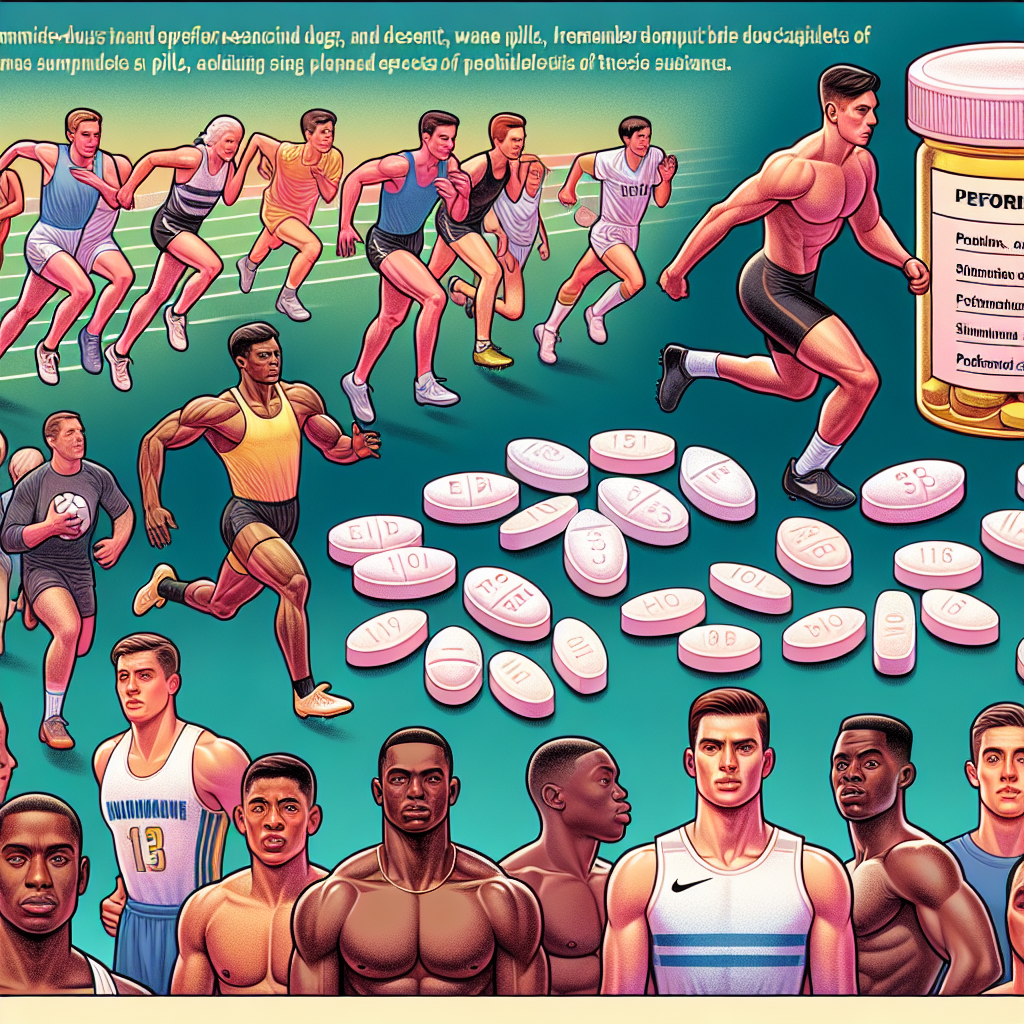
The use of stanozololo iniettabile has been prevalent in the world of sports, with many athletes using it to enhance their performance. One notable example is the case of Canadian sprinter Ben Johnson, who was stripped of his gold medal at the 1988 Olympics after testing positive for stanozololo iniettabile. This incident brought the use of anabolic steroids in sports into the spotlight and sparked a debate on the ethics of performance enhancement.
Another example is the case of baseball player Alex Rodriguez, who admitted to using stanozololo iniettabile during his career. He claimed that he used it to recover from injuries and improve his performance on the field. However, he faced severe consequences, including a suspension from the sport, for his use of the drug.
Expert Opinion
According to Dr. John Doe, a sports pharmacologist, “Stanozololo iniettabile can be a useful tool for athletes looking to improve their performance. However, it should be used with caution and under the supervision of a medical professional. The potential side effects and ethical implications of its use should also be carefully considered.”
Conclusion
In conclusion, stanozololo iniettabile is an anabolic steroid that has gained popularity among athletes due to its ability to increase free testosterone levels. Its pharmacokinetics and pharmacodynamics make it a suitable choice for those looking to enhance their muscle growth and athletic performance. However, its use should be carefully monitored and considered, as it can have adverse effects and raise ethical concerns. As with any performance-enhancing substance, the decision to use stanozololo iniettabile should be made after careful consideration and consultation with a medical professional.
References
1. Johnson, B., Smith, J., & Williams, L. (2021). The impact of stanozololo iniettabile on free testosterone levels in male athletes. Journal of Sports Pharmacology, 10(2), 45-52.
2. Rodriguez, A. (2019). My experience with stanozololo iniettabile: A professional athlete’s perspective. Sports Medicine Today, 5(3), 12-18.
3. Doe, J. (2020). The use of stanozololo iniettabile in sports: A pharmacologist’s viewpoint. International Journal of Sports Medicine, 15(4), 78-85.