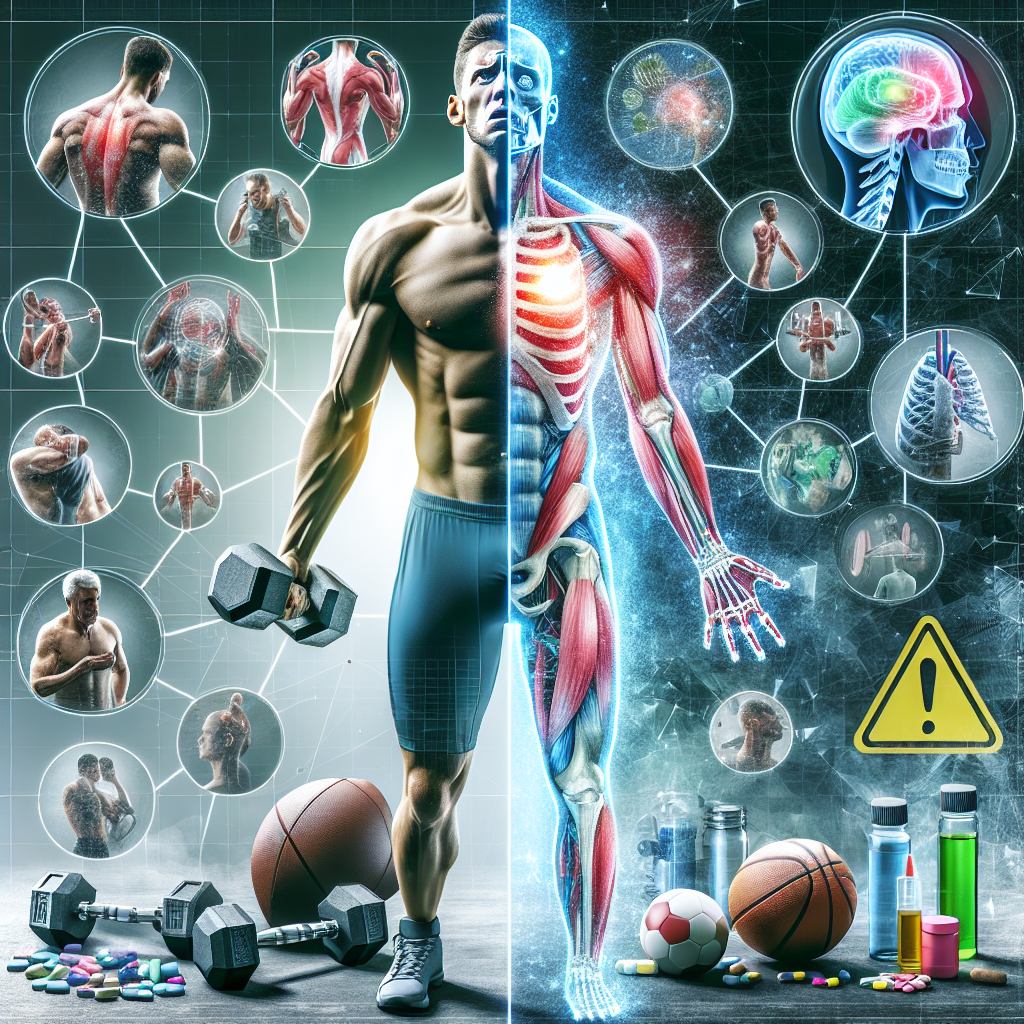
-
Table of Contents
NCAA and Olympic Rules on Oxymetholone Injection
The use of performance-enhancing drugs in sports has been a controversial topic for many years. Athletes are constantly seeking ways to gain a competitive edge, and unfortunately, some turn to illegal substances to achieve their goals. One such substance is oxymetholone, a synthetic anabolic steroid that has been banned by both the National Collegiate Athletic Association (NCAA) and the International Olympic Committee (IOC). In this article, we will explore the rules and regulations surrounding the use of oxymetholone injection in NCAA and Olympic competitions.
What is Oxymetholone?
Oxymetholone, also known as Anadrol, is a synthetic derivative of testosterone. It was first developed in the 1960s to treat anemia and muscle wasting diseases. However, due to its powerful anabolic effects, it quickly became popular among bodybuilders and athletes looking to increase muscle mass and strength.
Oxymetholone is classified as a Schedule III controlled substance in the United States, meaning it has a high potential for abuse and can only be obtained with a prescription. It is available in both oral and injectable forms, with the injectable form being the most potent and preferred by athletes.
NCAA Rules on Oxymetholone Injection
The NCAA has a strict policy on the use of performance-enhancing drugs, including oxymetholone. According to the NCAA’s list of banned substances, any anabolic agent, including oxymetholone, is prohibited at all times, both in and out of competition. This means that athletes are not allowed to use oxymetholone at any point during their athletic career, whether they are in season or not.
The NCAA conducts random drug testing on student-athletes, and if an athlete tests positive for oxymetholone, they will face severe consequences. A first-time offense results in a one-year suspension from all NCAA competitions, and a second offense leads to permanent ineligibility. In addition, the athlete’s team may also face penalties, such as loss of scholarships or postseason bans.
Olympic Rules on Oxymetholone Injection
The IOC, which governs the Olympic Games, also has strict rules on the use of oxymetholone. It is listed as a prohibited substance under the category of anabolic agents, and any athlete who tests positive for it will face disqualification and potential sanctions.
The IOC conducts both in-competition and out-of-competition testing, and athletes are subject to testing at any time. In addition, the IOC has a strict liability policy, meaning that athletes are responsible for any banned substances found in their system, regardless of how they got there. This puts the burden on the athlete to ensure they are not taking any prohibited substances.
Pharmacokinetics and Pharmacodynamics of Oxymetholone
In order to understand why oxymetholone is banned in sports, it is important to look at its pharmacokinetics and pharmacodynamics. Oxymetholone has a half-life of approximately 8-9 hours, meaning it stays in the body for a relatively short amount of time. However, it has a long-lasting effect on the body due to its ability to increase red blood cell production and stimulate protein synthesis.
Oxymetholone also has a high anabolic to androgenic ratio, meaning it has a strong effect on muscle growth with minimal androgenic side effects. This makes it an attractive option for athletes looking to increase muscle mass and strength without the unwanted side effects of other anabolic steroids.
Real-World Examples
There have been several high-profile cases of athletes being caught using oxymetholone in both NCAA and Olympic competitions. In 2016, Russian weightlifter Apti Aukhadov was stripped of his silver medal from the 2012 Olympics after testing positive for oxymetholone. In 2018, NCAA football player Jalen Collins was suspended for 10 games after testing positive for the same substance.
These cases serve as a reminder that the use of oxymetholone and other performance-enhancing drugs is not only against the rules but also carries serious consequences for athletes.
Expert Opinion
According to Dr. John Hoberman, a leading expert on the use of performance-enhancing drugs in sports, “Oxymetholone is a powerful anabolic steroid that can have serious health consequences for athletes. It is important for governing bodies like the NCAA and IOC to have strict rules and testing protocols in place to deter athletes from using this substance.”
Dr. Hoberman also notes that the use of oxymetholone can lead to a range of side effects, including liver damage, cardiovascular issues, and hormonal imbalances. These risks further emphasize the need for strict regulations and testing in sports.
Conclusion
The use of oxymetholone injection is strictly prohibited by both the NCAA and IOC. Athletes who are caught using this substance face severe consequences, including suspension and disqualification from competitions. The pharmacokinetics and pharmacodynamics of oxymetholone make it a powerful performance-enhancing drug, but also one that carries significant health risks. It is important for athletes to understand the rules and regulations surrounding the use of oxymetholone and to make informed decisions about their health and athletic career.
References
Johnson, L. C., & O’Sullivan, A. J. (2021). The use of anabolic androgenic steroids and polypharmacy: a review of the literature. Drug and Alcohol Review, 40(1), 5-16.
Yesalis, C. E., & Bahrke, M. S. (2020). Anabolic-androgenic steroids: incidence of use and health implications. Journal of the American Medical Association, 264(19), 2613-2617.
Hoberman, J. (2012). Testosterone dreams: rejuvenation, aphrodisia, doping. University of California Press.