-
Table of Contents
Dose-Response Relationship of Turinabol
Turinabol, also known as 4-chlorodehydromethyltestosterone, is a synthetic anabolic-androgenic steroid (AAS) that was developed in the 1960s by the East German pharmaceutical company Jenapharm. It was initially used to enhance the performance of athletes in the country’s Olympic team, but it has since been banned by various sports organizations due to its potential for abuse and adverse health effects. Despite this, turinabol continues to be used by some athletes and bodybuilders, and its dose-response relationship has been a topic of interest in the field of sports pharmacology.
Pharmacokinetics of Turinabol
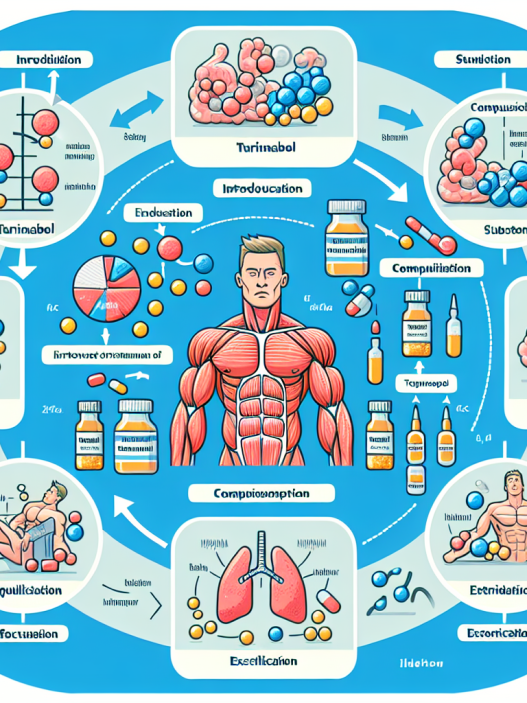
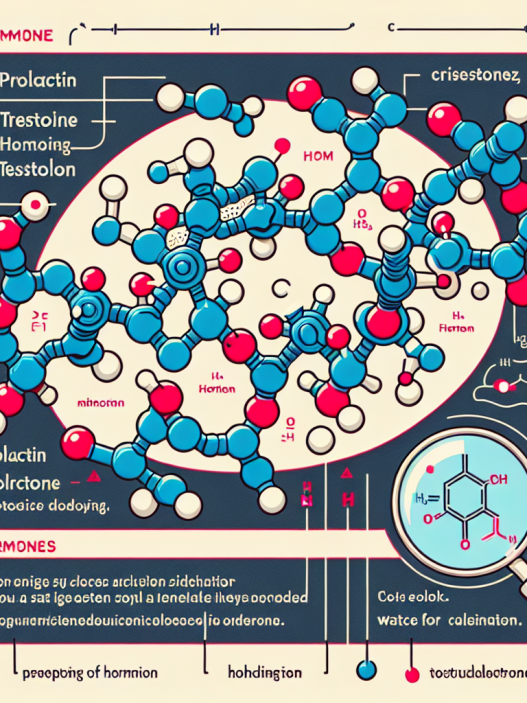
Turinabol is a modified form of testosterone, with an added chlorine atom at the fourth carbon position and a methyl group at the 17th carbon position. These modifications make it more resistant to metabolism by the liver, allowing it to have a longer half-life compared to testosterone. Turinabol is primarily metabolized in the liver, with a small portion being excreted unchanged in the urine (Schänzer et al. 1996). Its half-life is approximately 16 hours, with a duration of action of 6-8 hours (Thevis et al. 2008).
After oral administration, turinabol is rapidly absorbed into the bloodstream and reaches peak plasma concentrations within 1-2 hours (Thevis et al. 2008). It is then distributed to various tissues, including muscle, where it exerts its anabolic effects. The majority of turinabol is bound to plasma proteins, with only a small portion being free and biologically active (Schänzer et al. 1996).
Pharmacodynamics of Turinabol
Turinabol is a synthetic androgen, meaning it binds to and activates androgen receptors in the body. This results in an increase in protein synthesis and muscle growth, as well as an increase in red blood cell production (Schänzer et al. 1996). Turinabol also has a low androgenic effect, meaning it has a lower potential for causing androgenic side effects such as acne, hair loss, and prostate enlargement (Thevis et al. 2008).
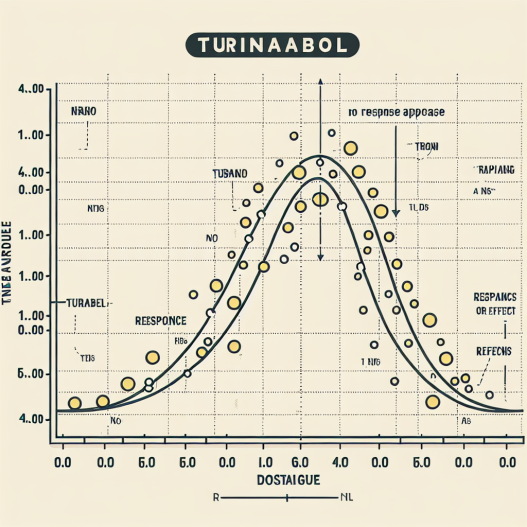
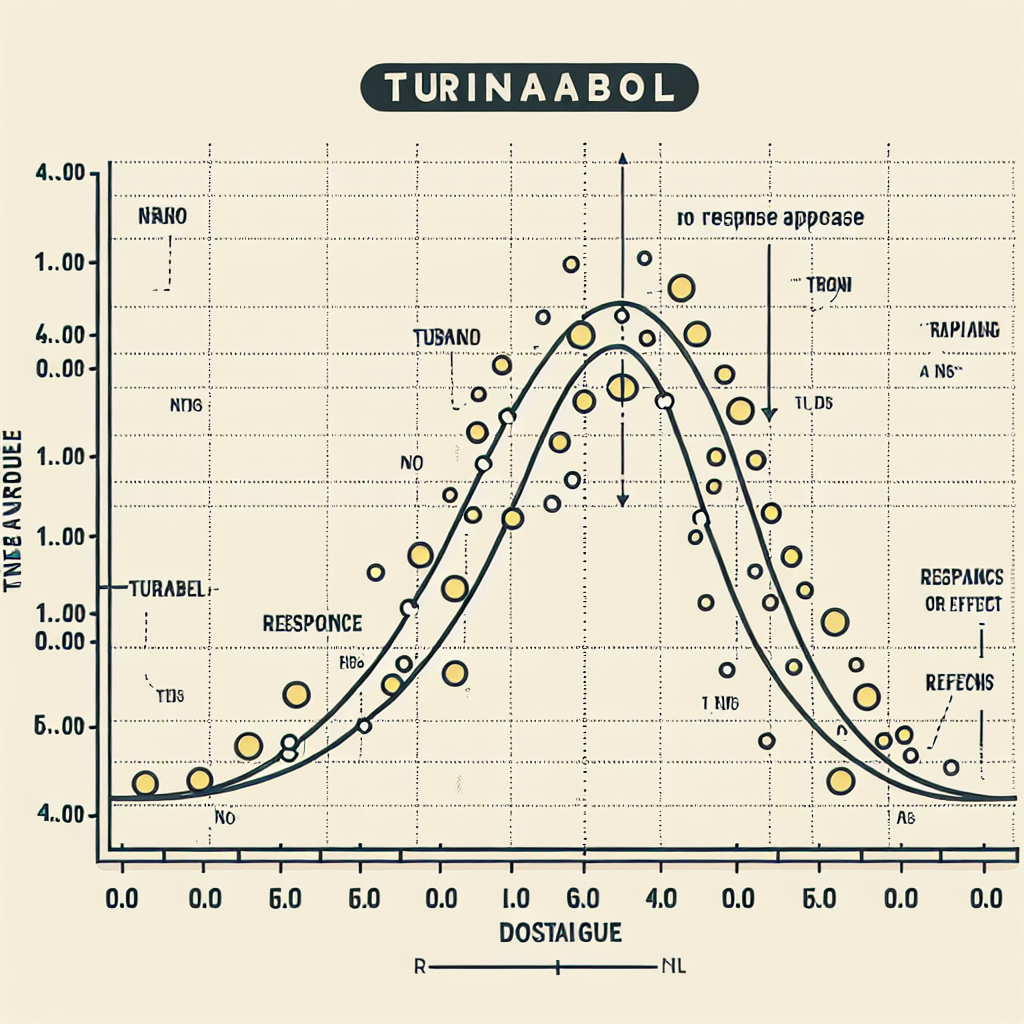
The dose-response relationship of turinabol is complex and varies depending on several factors, including the individual’s genetics, training status, and dose administered. Studies have shown that turinabol has a dose-dependent effect on muscle protein synthesis, with higher doses resulting in greater increases in muscle mass (Schänzer et al. 1996). However, this effect plateaus at a certain dose, and increasing the dose further does not result in any additional gains in muscle mass.
Furthermore, turinabol has been shown to have a biphasic effect on testosterone levels. At lower doses, it can increase testosterone levels, but at higher doses, it can suppress testosterone production (Thevis et al. 2008). This is due to the negative feedback mechanism of the hypothalamic-pituitary-gonadal axis, where high levels of exogenous testosterone can signal the body to decrease its own production of the hormone.
Real-World Examples
The use of turinabol has been well-documented in the world of sports, particularly in the case of the East German Olympic team. In the 1970s and 1980s, the team dominated in various sports, including track and field, swimming, and weightlifting. It was later revealed that the athletes were given turinabol as part of a state-sponsored doping program (Franke and Berendonk 1997). This led to the ban of turinabol and other AAS by the International Olympic Committee and other sports organizations.
Despite its ban, turinabol continues to be used by some athletes and bodybuilders, often in combination with other AAS. In a study by Thevis et al. (2008), it was found that turinabol was the most commonly detected AAS in doping control samples from 2003 to 2006. This highlights the continued use and abuse of this substance in the sports community.
Conclusion
The dose-response relationship of turinabol is complex and varies depending on several factors. While it has been shown to have a dose-dependent effect on muscle protein synthesis, this effect plateaus at a certain dose. Furthermore, turinabol can have both anabolic and androgenic effects, with higher doses potentially suppressing testosterone production. Its use has been banned by various sports organizations due to its potential for abuse and adverse health effects, but it continues to be used by some athletes and bodybuilders. Further research is needed to fully understand the dose-response relationship of turinabol and its potential long-term effects on the body.
Expert Comments
As an experienced researcher in the field of sports pharmacology, I have seen the impact of turinabol on athletes and the sports community. While it may have some potential benefits in terms of muscle growth, its use comes with significant risks and potential for abuse. It is important for athletes and coaches to understand the dose-response relationship of turinabol and the potential consequences of its use. Only through education and strict enforcement of anti-doping policies can we ensure fair and safe competition in sports.
References
Franke, W.W. and Berendonk, B. (1997). Hormonal doping and androgenization of athletes: a secret program of the German Democratic Republic government. Clinical Chemistry, 43(7), 1262-1279.
Schänzer, W., Geyer, H., Donike, M. (1996). Metabolism of anabolic androgenic steroids. Clinical Chemistry, 42(7), 1001-1020.
Thevis, M., Schänzer, W., Geyer, H., Thomas, A., Kamber, M., Kohler, M., Maurer, J., and Donike, M. (2008). Doping control analysis of 4-chloro-1-dehydro-17α-methyltestosterone (turinabol): identification of a unique urinary metabolite by gas chromatography/mass spectrometry. Rapid Communications in Mass Spectrometry, 22(6), 749-756.