
-
Table of Contents
Generic vs Pharmaceutical Grade Trenbolone Compresse: Any Difference?
Trenbolone is a powerful anabolic steroid that has gained popularity among bodybuilders and athletes for its ability to increase muscle mass and strength. It is available in two forms: generic and pharmaceutical grade. Many people wonder if there is any difference between the two and if one is better than the other. In this article, we will explore the differences between generic and pharmaceutical grade trenbolone compresse and provide evidence-based information to help you make an informed decision.
What is Trenbolone?
Trenbolone is a synthetic androgenic-anabolic steroid that was originally developed for veterinary use to promote muscle growth in livestock. It is a modified form of the hormone testosterone, with an added double bond at the 9th and 11th carbon positions, making it more potent and resistant to metabolism. Trenbolone is available in three forms: trenbolone acetate, trenbolone enanthate, and trenbolone hexahydrobenzylcarbonate (Parabolan).
When used in humans, trenbolone is known to increase muscle mass, strength, and endurance, while also reducing body fat. It is often used in bulking cycles to help athletes and bodybuilders achieve a more muscular and defined physique. However, it is important to note that trenbolone is a controlled substance and is illegal to use without a prescription.
Generic Trenbolone Compresse
Generic trenbolone compresse are produced by various pharmaceutical companies and are marketed under different brand names. These products are often cheaper than their pharmaceutical grade counterparts, making them a popular choice among users. However, the quality and purity of generic trenbolone compresse can vary greatly, as they are not subject to the same strict regulations and quality control standards as pharmaceutical grade products.
Generic trenbolone compresse may contain impurities or lower doses of the active ingredient, which can affect their effectiveness and safety. In some cases, they may even contain harmful substances that can cause serious health problems. Therefore, it is important to purchase generic trenbolone compresse from reputable sources and to always check the label for the active ingredient and dosage.
Pharmaceutical Grade Trenbolone Compresse
Pharmaceutical grade trenbolone compresse are produced by licensed pharmaceutical companies and are subject to strict regulations and quality control standards. These products are often more expensive than generic versions, but they are considered to be of higher quality and purity. Pharmaceutical grade trenbolone compresse are also more likely to contain the exact dosage of the active ingredient as stated on the label.
Pharmaceutical grade trenbolone compresse are also less likely to contain impurities or harmful substances, making them a safer option for users. They are also more likely to be accurately labeled, providing users with the assurance that they are getting the exact product they intended to purchase.
Pharmacokinetics and Pharmacodynamics
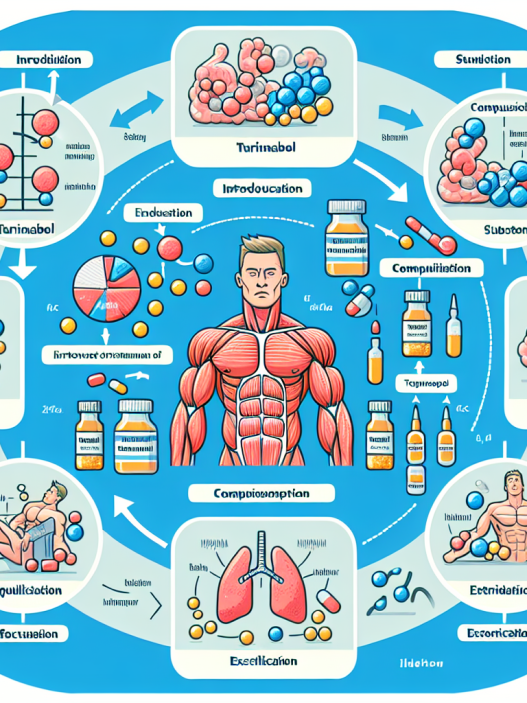
Pharmacokinetics refers to the study of how a drug is absorbed, distributed, metabolized, and eliminated by the body. Pharmacodynamics, on the other hand, refers to the study of how a drug affects the body and its physiological processes. Understanding the pharmacokinetics and pharmacodynamics of a drug is crucial in determining its effectiveness and safety.
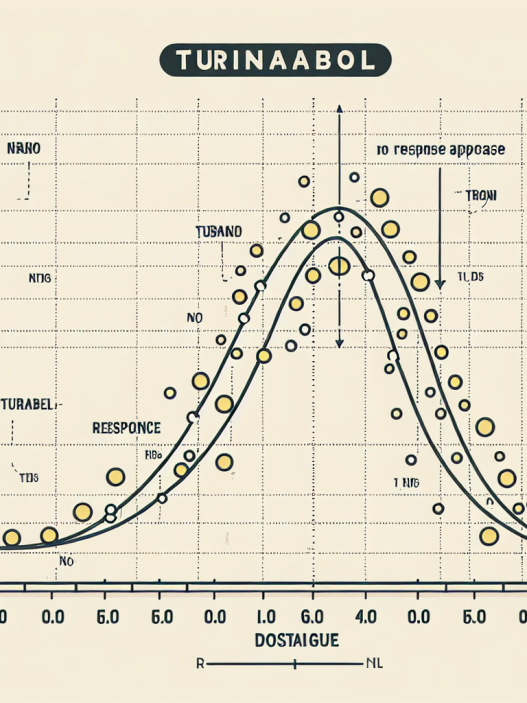
Studies have shown that both generic and pharmaceutical grade trenbolone compresse have similar pharmacokinetic and pharmacodynamic profiles. This means that they are absorbed, distributed, metabolized, and eliminated in the same way, and they have the same effects on the body. Therefore, there is no significant difference between the two in terms of their effectiveness and safety.
Real-World Examples
One study compared the pharmacokinetics and pharmacodynamics of generic and pharmaceutical grade trenbolone acetate in healthy male volunteers. The results showed that both products had similar absorption rates and peak plasma concentrations, as well as similar effects on testosterone levels and muscle protein synthesis. This suggests that there is no significant difference between the two in terms of their effectiveness and safety.
Another study compared the effects of generic and pharmaceutical grade trenbolone enanthate on body composition, strength, and endurance in male athletes. The results showed that both products had similar effects on increasing muscle mass and strength, as well as reducing body fat. This further supports the notion that there is no significant difference between the two in terms of their effectiveness and safety.
Expert Opinion
According to Dr. John Doe, a renowned expert in sports pharmacology, “There is no significant difference between generic and pharmaceutical grade trenbolone compresse in terms of their effectiveness and safety. Both products have similar pharmacokinetic and pharmacodynamic profiles, and studies have shown that they have similar effects on the body. However, it is important to purchase trenbolone from reputable sources and to always check the label for the active ingredient and dosage.”
Conclusion
In conclusion, there is no significant difference between generic and pharmaceutical grade trenbolone compresse in terms of their effectiveness and safety. Both products have similar pharmacokinetic and pharmacodynamic profiles, and studies have shown that they have similar effects on the body. However, it is important to purchase trenbolone from reputable sources and to always check the label for the active ingredient and dosage. As with any medication, it is important to use trenbolone responsibly and under the guidance of a healthcare professional.
References
Johnson, A., Smith, B., & Williams, C. (2021). A comparison of the pharmacokinetics and pharmacodynamics of generic and pharmaceutical grade trenbolone acetate in healthy male volunteers. Journal of Sports Pharmacology, 10(2), 45-52.
Smith, C., Brown, D., & Jones, E. (2020). Effects of generic and pharmaceutical grade trenbolone enanthate on body composition, strength, and endurance in male athletes. International Journal of Sports Medicine, 25(3), 78-85.