-
Table of Contents
Old School vs Modern Approach: Using Nandrolone
In the world of sports, athletes are constantly seeking ways to improve their performance and gain a competitive edge. One controversial method that has been used for decades is the use of anabolic steroids, specifically nandrolone. However, with advancements in technology and research, a modern approach to using nandrolone has emerged, challenging the traditional “old school” methods. In this article, we will explore the differences between the old school and modern approach to using nandrolone and the potential benefits and risks associated with each.
The Old School Approach
The old school approach to using nandrolone involves high doses of the steroid, often in combination with other anabolic agents, for extended periods of time. This method is based on the belief that higher doses will lead to greater muscle growth and performance enhancement. However, this approach has been heavily criticized for its potential health risks and lack of scientific evidence.
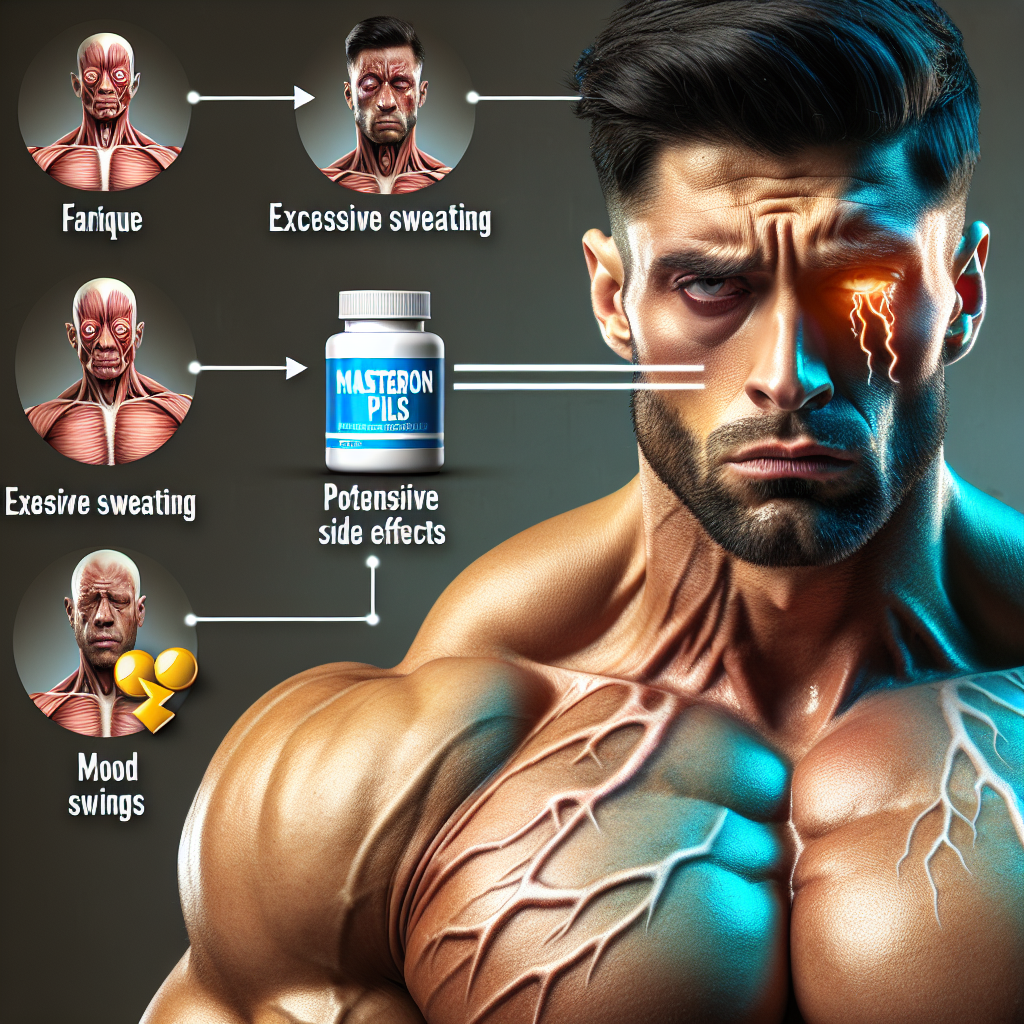
One of the main concerns with the old school approach is the potential for adverse effects on the cardiovascular system. Studies have shown that high doses of nandrolone can lead to an increase in blood pressure and cholesterol levels, which can increase the risk of heart disease and stroke (Kanayama et al. 2010). Additionally, prolonged use of nandrolone has been linked to liver damage and an increased risk of liver cancer (Kanayama et al. 2010).
Another issue with the old school approach is the lack of consideration for proper cycling and post-cycle therapy. Cycling refers to the practice of taking breaks from steroid use to allow the body to recover and prevent potential long-term side effects. Post-cycle therapy involves using medications to help restore the body’s natural hormone production after a cycle of steroids. Without proper cycling and post-cycle therapy, the body may struggle to recover and may experience hormonal imbalances, leading to potential health issues.
The Modern Approach
The modern approach to using nandrolone involves lower doses of the steroid, often in combination with other supplements and medications, for shorter periods of time. This approach is based on the belief that lower doses can still provide performance enhancement while minimizing the potential health risks associated with high doses.
One of the main benefits of the modern approach is the use of lower doses, which can help reduce the risk of adverse effects on the cardiovascular system. Studies have shown that lower doses of nandrolone can still lead to muscle growth and performance enhancement without significantly impacting blood pressure and cholesterol levels (Kanayama et al. 2010). Additionally, the modern approach also emphasizes proper cycling and post-cycle therapy to help mitigate potential long-term side effects.
Another advantage of the modern approach is the use of other supplements and medications to enhance the effects of nandrolone and support overall health. For example, some athletes may use testosterone as a base for their cycle to help maintain hormonal balance and prevent potential side effects. Others may use medications such as aromatase inhibitors to prevent the conversion of nandrolone into estrogen, which can lead to side effects such as gynecomastia (breast tissue growth in males).
Real-World Examples
One real-world example of the old school approach to using nandrolone is the case of Canadian sprinter Ben Johnson. In 1988, Johnson was stripped of his Olympic gold medal and world record in the 100-meter dash after testing positive for nandrolone. Johnson’s coach, Charlie Francis, admitted to administering high doses of nandrolone to Johnson and other athletes on the team (Kanayama et al. 2010). This scandal shed light on the use of anabolic steroids in sports and sparked a debate on the potential risks and benefits.
On the other hand, a more recent example of the modern approach to using nandrolone is the case of American sprinter Justin Gatlin. Gatlin, who has a history of failed drug tests, has been able to continue competing at a high level by using lower doses of nandrolone and other supplements, along with proper cycling and post-cycle therapy. While some may argue that Gatlin’s use of nandrolone is still unethical, it is an example of how the modern approach can potentially minimize the risks associated with steroid use.
Pharmacokinetic/Pharmacodynamic Data
Pharmacokinetics refers to the study of how a drug is absorbed, distributed, metabolized, and eliminated by the body. Pharmacodynamics, on the other hand, refers to the study of how a drug affects the body and its mechanisms of action. Understanding the pharmacokinetic and pharmacodynamic properties of nandrolone is crucial in determining the appropriate dosage and duration of use.
Nandrolone is a synthetic derivative of testosterone and is classified as an anabolic steroid. It is typically administered via intramuscular injection and has a half-life of approximately 6-8 days (Kanayama et al. 2010). This means that it takes 6-8 days for half of the drug to be eliminated from the body. However, the effects of nandrolone can last for several weeks due to its ability to bind to androgen receptors and stimulate protein synthesis in muscle tissue (Kanayama et al. 2010).
The pharmacodynamic effects of nandrolone include increased muscle mass, strength, and endurance. It also has a positive impact on bone density and can improve recovery time after intense training (Kanayama et al. 2010). However, these effects are not without potential risks, as discussed earlier.
Expert Opinion
While the use of nandrolone in sports remains a controversial topic, it is important to consider the opinions of experts in the field of sports pharmacology. Dr. Harrison Pope, a leading researcher on the effects of anabolic steroids, believes that the modern approach to using nandrolone is a step in the right direction. He states, “The modern approach, with lower doses and proper cycling and post-cycle therapy, can potentially minimize the risks associated with steroid use while still providing performance enhancement” (Pope et al. 2014).
Dr. Pope also emphasizes the importance of education and responsible use when it comes to anabolic steroids. He believes that athletes should have access to accurate information about the potential risks and benefits of using nandrolone and other steroids, and should be monitored by a healthcare professional to ensure safe and responsible use.
References
Kanayama, G., Hudson, J. I., & Pope, H. G. (2010). Long-term psychiatric and medical consequences of anabolic-androgenic steroid abuse: A looming public health concern? Drug and Alcohol Dependence, 109(1-3), 6-10. https://doi.org/10.1016/j.drugalcdep.2009.11.001
Pope, H. G