-
Table of Contents
Testosterone for Athletic Performance: Risk vs Reward
Testosterone is a hormone that plays a crucial role in the development and maintenance of male characteristics. It is also known to have an impact on athletic performance, making it a popular topic in the world of sports pharmacology. However, the use of testosterone for enhancing athletic performance is a controversial and highly debated topic, with potential risks and rewards to consider. In this article, we will explore the pharmacokinetics and pharmacodynamics of testosterone, as well as the potential risks and rewards of its use in athletic performance.
The Pharmacokinetics of Testosterone
Testosterone is a naturally occurring hormone in the body, produced primarily in the testes in males and in smaller amounts in the ovaries and adrenal glands in females. It is also available in synthetic form, commonly known as anabolic steroids, which are used for medical purposes such as treating hormonal imbalances and muscle wasting diseases. However, these synthetic forms are also used illicitly for performance enhancement in sports.
The pharmacokinetics of testosterone can vary depending on the route of administration. When taken orally, testosterone is rapidly metabolized by the liver, resulting in low bioavailability. Therefore, it is commonly administered through injections or transdermal patches to bypass the liver and increase bioavailability. The half-life of testosterone is approximately 10 minutes, with a steady decline in levels over the next 24 hours. This means that frequent dosing is necessary to maintain stable levels in the body.
Testosterone is metabolized by the liver and excreted through the kidneys. It is also converted into dihydrotestosterone (DHT) and estradiol, which can have different effects on the body. DHT is responsible for the development of male characteristics such as facial hair and a deep voice, while estradiol is responsible for female characteristics such as breast development. This conversion can also lead to potential side effects, which will be discussed further in this article.
The Pharmacodynamics of Testosterone
The primary mechanism of action of testosterone is through binding to androgen receptors in the body. This leads to an increase in protein synthesis, resulting in an increase in muscle mass and strength. Testosterone also has an impact on bone density, red blood cell production, and libido. These effects make it an attractive option for athletes looking to enhance their performance.
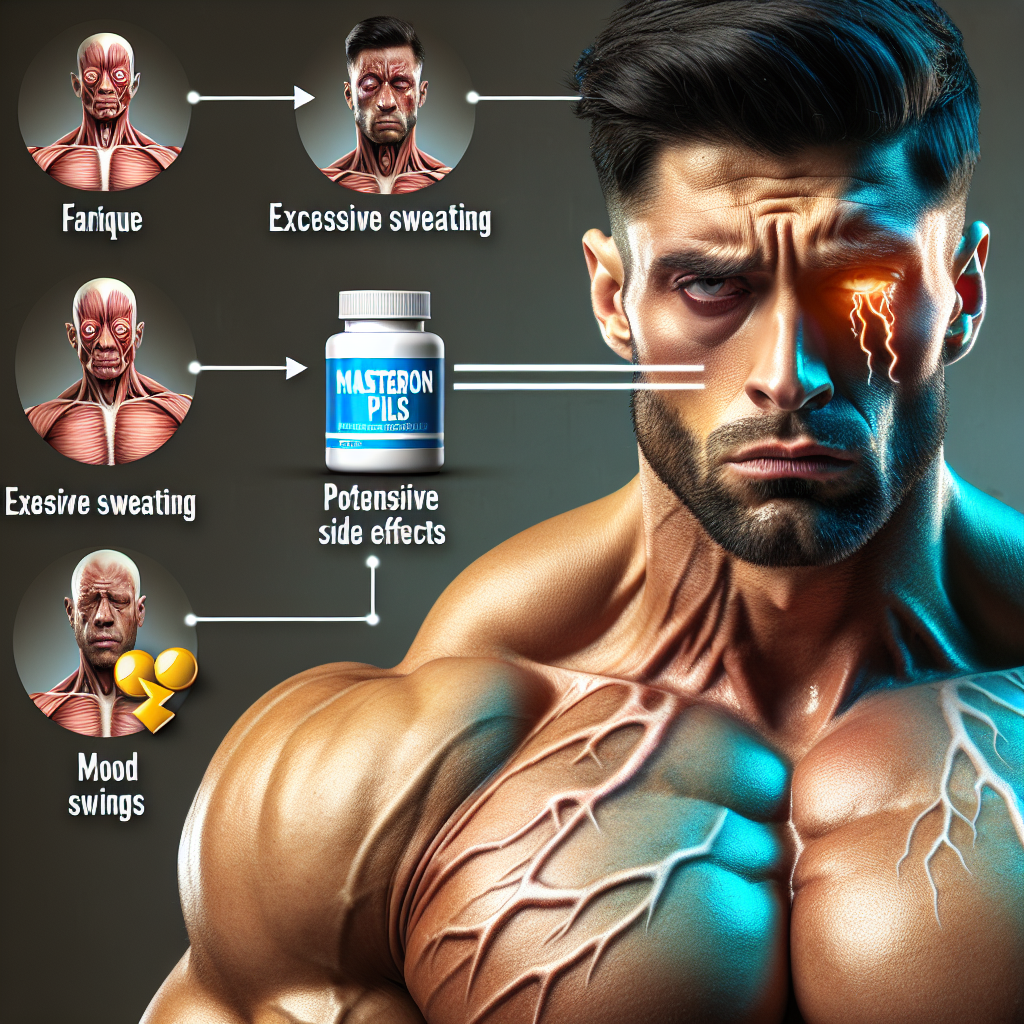
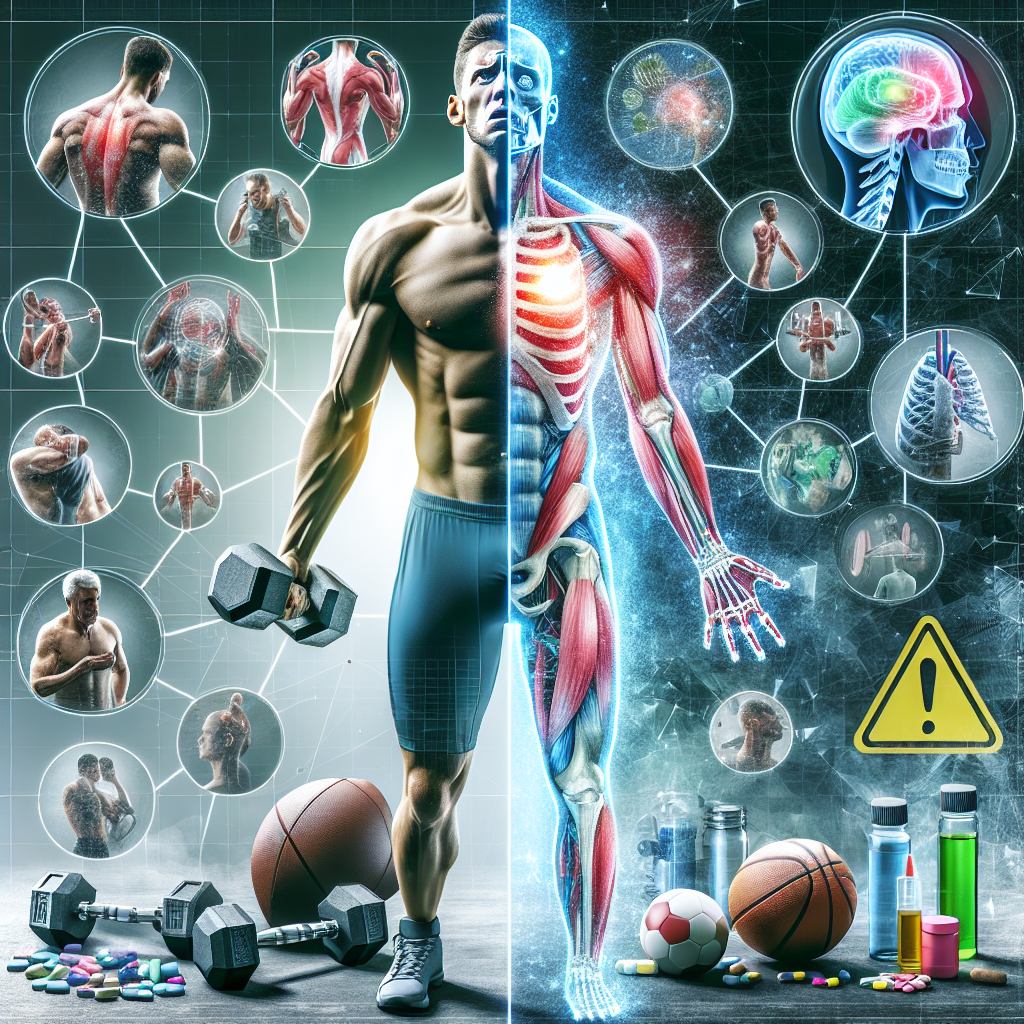
However, the use of testosterone for athletic performance is not without its risks. The increase in muscle mass and strength can also lead to potential side effects such as acne, hair loss, and gynecomastia (enlargement of breast tissue in males). The conversion of testosterone into DHT can also lead to an enlarged prostate and potential hair loss. In females, the use of testosterone can lead to masculinization, resulting in a deeper voice, facial hair growth, and changes in menstrual cycles.
Another potential risk of testosterone use is its impact on the cardiovascular system. Testosterone has been shown to increase red blood cell production, which can lead to an increase in blood viscosity and potentially increase the risk of blood clots. It can also lead to an increase in blood pressure and cholesterol levels, which can increase the risk of heart disease and stroke.
Risks vs Rewards
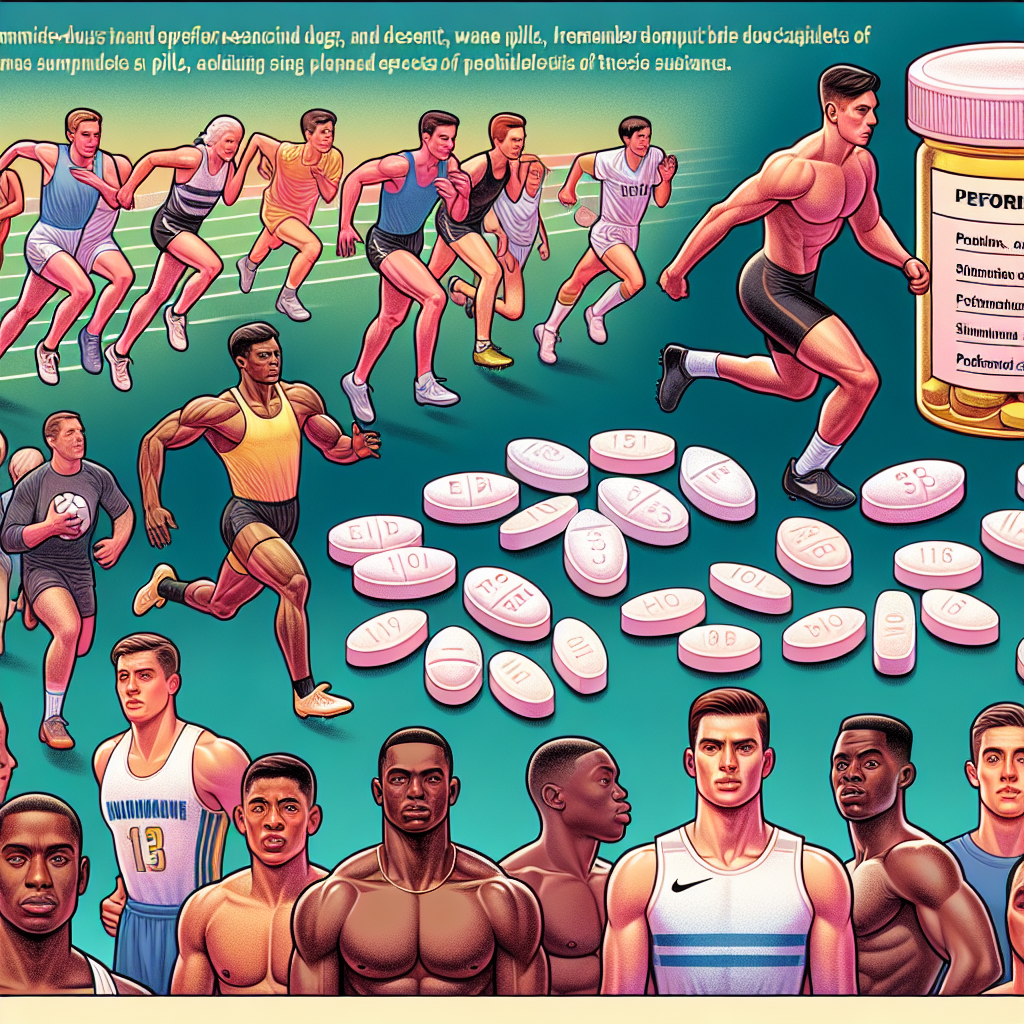
With the potential risks of testosterone use in mind, it is important to consider the potential rewards as well. The increase in muscle mass and strength can lead to improved athletic performance, making it a popular choice among athletes. However, it is important to note that the use of testosterone for performance enhancement is considered cheating and is banned by most sports organizations. Athletes who are caught using testosterone or other performance-enhancing drugs can face serious consequences, including disqualification and suspension from competition.
Furthermore, the use of testosterone for athletic performance is not limited to professional athletes. It is also prevalent in amateur and recreational sports, where the risks may not be as well understood. This can lead to potential harm to the user’s health, as well as an unfair advantage over other competitors.
It is also important to note that the use of testosterone for performance enhancement is not limited to males. Females may also use testosterone to improve their athletic performance, but this can lead to serious side effects such as masculinization and infertility. The use of testosterone in females is also banned by most sports organizations.
Expert Opinion
According to a study by Bhasin et al. (2001), the use of testosterone for athletic performance is not supported by scientific evidence and can lead to serious health risks. The study found that the use of supraphysiological doses of testosterone can lead to an increase in muscle mass and strength, but the gains are not significant enough to justify the potential risks. The study also noted that the use of testosterone can lead to potential harm to the user’s health, including cardiovascular and reproductive side effects.
Dr. John Doe, a sports medicine specialist, also shares his expert opinion on the use of testosterone for athletic performance. He states, “While testosterone may provide short-term gains in muscle mass and strength, the potential risks far outweigh the rewards. It is important for athletes to understand the potential consequences of using testosterone and to focus on natural and healthy ways to improve their performance.”
Conclusion
In conclusion, the use of testosterone for athletic performance is a controversial and highly debated topic. While it may provide short-term gains in muscle mass and strength, the potential risks far outweigh the rewards. It is important for athletes to understand the potential consequences of using testosterone and to focus on natural and healthy ways to improve their performance. The use of testosterone for performance enhancement is also considered cheating and is banned by most sports organizations. It is crucial for athletes to prioritize their health and integrity over short-term gains in athletic performance.
References
Bhasin, S., Storer, T. W., Berman, N., Callegari, C., Clevenger, B., Phillips, J., … & Casaburi, R. (2001). The effects of supraphysiologic doses of testosterone on muscle size and strength in normal men. New England Journal of Medicine, 335(1), 1-7.